Get in touch with Yun-Sculpture company
Bronze vs. Marble Busts: The Ultimate Technical Guide to Materials, Plinths & Display

A marble bust is a portrait sculpture carved from natural stone, typically showing the head and shoulders. A bronze bust is the same form, but cast in metal using the lost-wax method. The key difference: bronze lasts 200+ years outdoors with minimal care; marble offers translucent beauty but is best kept indoors. This guide covers everything you need to know to choose between them.
Choosing between marble vs bronze sculpture is not simply a design decision. It is a long-term investment in heritage, durability, and emotional impact.
A bust is one of the most intimate forms of sculpture. It captures identity, legacy, and personality in a format designed for close viewing.
However, many buyers make critical mistakes. They focus on style while ignoring material science, structural requirements, and display logic.
This technical handbook explains everything — from defining what a bust actually is, to comparing bronze and marble performance, to selecting the perfect pedestal and lighting system.
Table of Contents
What Is a Bust Statue?
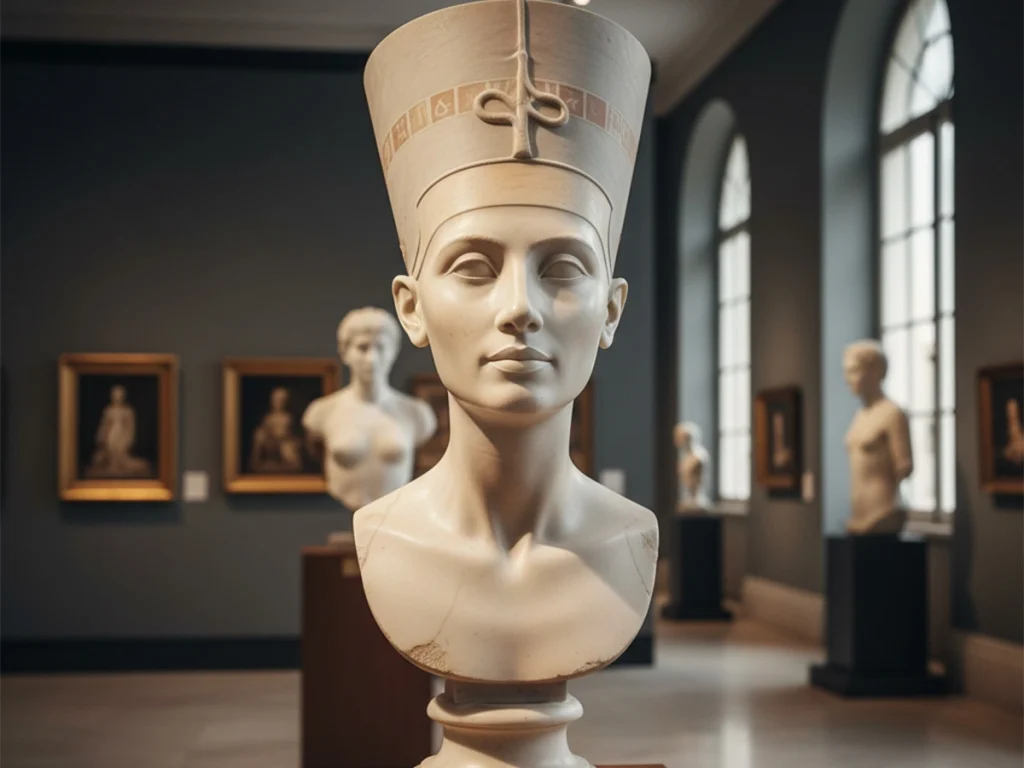
A bust is a sculptural representation of a person that focuses on the upper portion of the body.
Traditionally, busts include the head and parts of the chest or shoulders. The format dates back over 3,000 years and remains popular because it captures character while fitting comfortably inside architectural spaces.
Busts are ideal for:
- Memorial sculptures
- Family legacy pieces
- Library and office displays
- Historical portrait commissions
- Architectural interior design
Unlike full statues, busts emphasize psychological detail rather than body movement.
Types of Bust Sculptures Explained
Not all busts are structured the same. The format directly influences visual weight, cost, and display requirements.
Head-Only Bust
This format ends just below the neck.
Characteristics:
- Minimalist and modern
- Lightweight
- Highly facial-detail focused
- Requires smaller plinths
Best used for:
- Contemporary interiors
- Gallery installations
- Limited-space environments

Head & Shoulders Bust (Classic Format)
This is the most recognizable bust structure.
Characteristics:
- Includes upper chest and shoulder width
- Balanced visual proportions
- Historically accurate presentation
Best used for:
- Traditional libraries
- Corporate offices
- Estate hallways
Half-Body Bust
Extends to mid-torso or includes arms.
Characteristics:
- Most expressive format
- Heavier and structurally complex
- Highest realism potential
Best used for:
- Monumental interior displays
- Memorial installations
- Museum-style presentations
Marble vs Bronze Sculpture: The Material Battle
Material selection determines not just appearance, but lifespan and maintenance commitment.
Let us examine the technical and emotional differences.
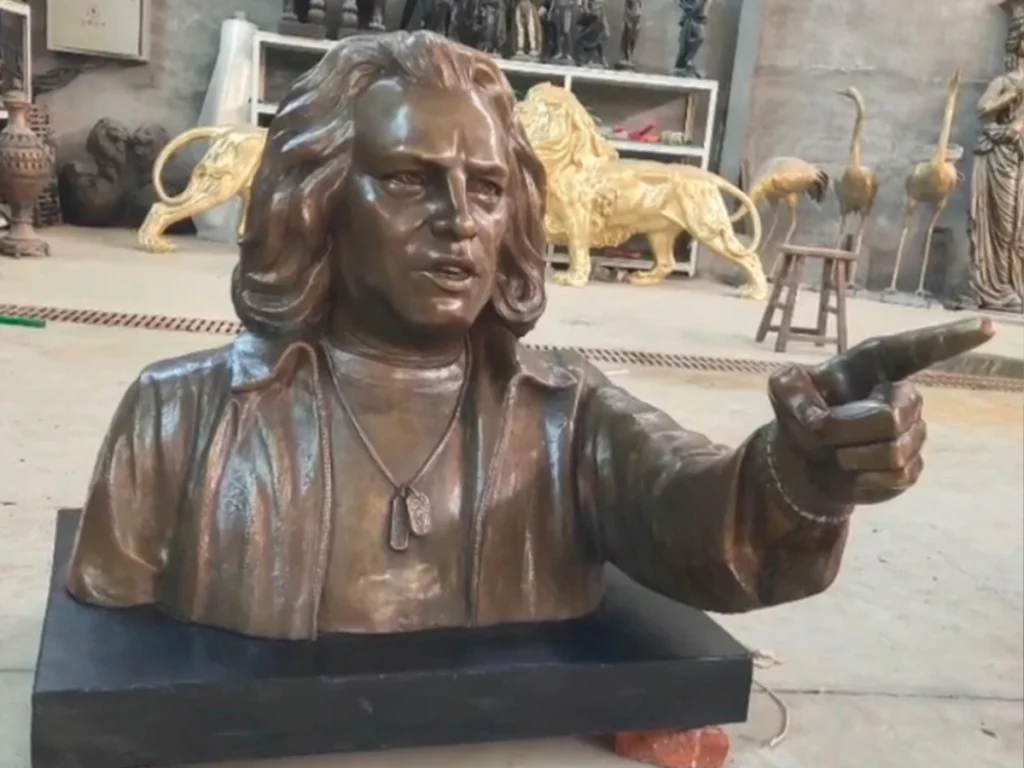
Bronze Busts: Engineering Meets Heritage
Bronze has been the preferred sculptural metal since ancient Greece.
Our busts use Silicon Bronze (>95% copper content), engineered for both artistic detail and structural reliability.
Technical Advantages
- Hollow cast construction (reduces weight)
- Impact resistant and virtually unbreakable
- Resistant to moisture and temperature changes
- Develops a living patina that improves over time

Aesthetic Personality
Bronze communicates:
- Authority
- Permanence
- Masculine historical power
- Museum-grade legacy presence
Bronze is also ideal for outdoor installations.
Real bronze is an investment. To understand why it costs more than resin (and why it’s worth it), read our [2026 Custom Bust Price Breakdown].
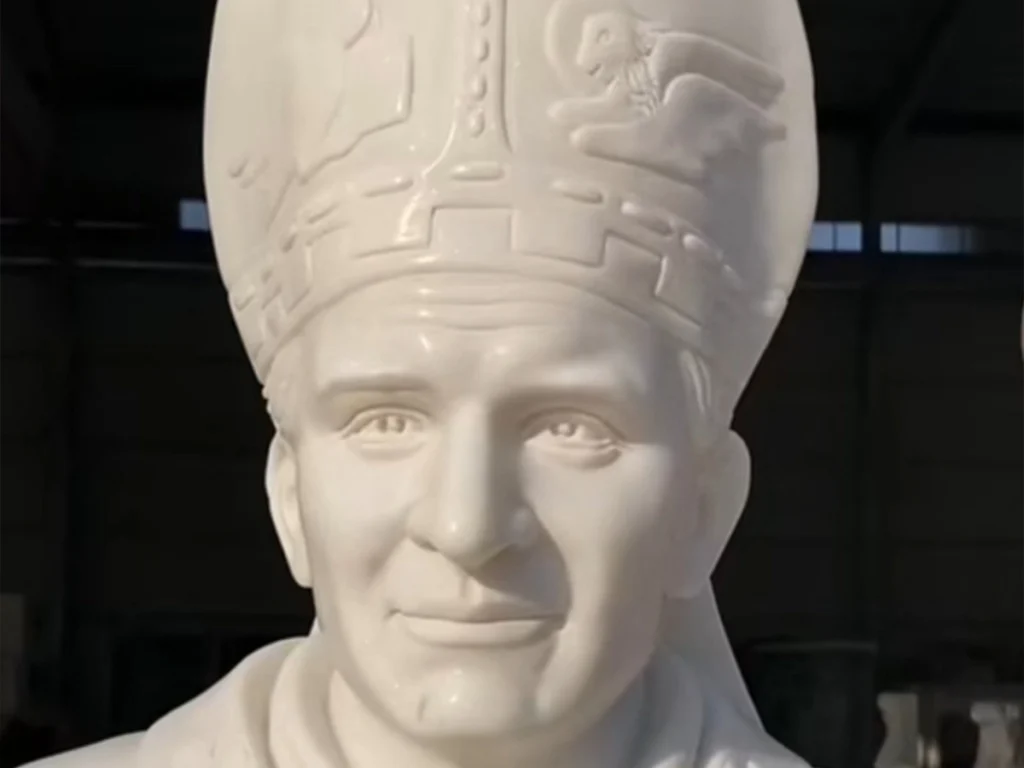
Marble Busts: Light, Purity & Classical Beauty
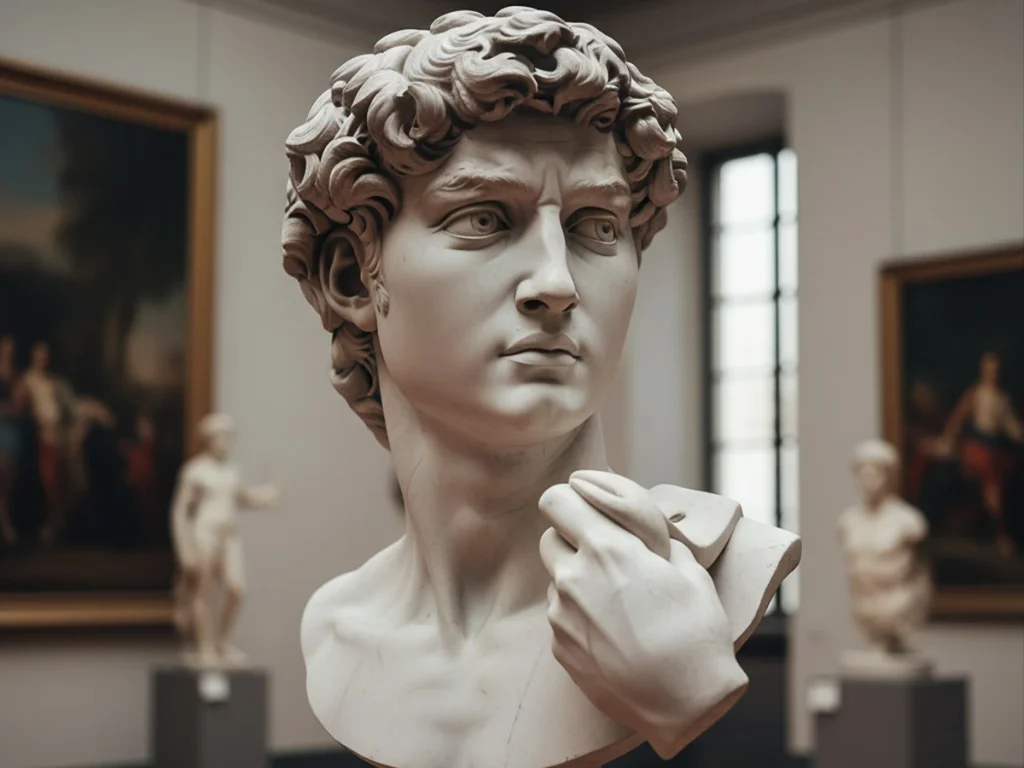
Marble busts represent timeless elegance. They were the material of choice during the Renaissance and Classical Roman eras.
We use Natural Hunan White Marble, a dense fine-grain stone.

Technical Advantages
- Solid stone construction
- Exceptional detail carving
- Natural light penetration (subsurface scattering)
- Produces lifelike skin softness
Technical Limitations
- Extremely heavy
- Naturally porous
- Requires periodic sealing
- More fragile than bronze
Aesthetic Personality
Marble communicates:
- Elegance
- Intellectual refinement
- Classical European heritage
- Bright interior energy
Marble offers a translucent beauty, ideal for female subjects like the ‘Veiled Lady’. You can see examples of this aesthetic in our [Classic Bust Style Guide].
Why You Should Avoid Resin & Composite Materials
Modern buyers often encounter terms like:
- Bonded Marble
- Cold Cast Bronze
- Marble Resin
- Metal Powder Resin
These materials are not authentic sculptural mediums.

How to Identify Fake Sculptures
Temperature Test
Real metal or stone feels cold to the touch. Resin feels warm like plastic.
Structural Lifespan
Resin sculptures often crack or discolor within 5 years.
Visual Aging
Authentic bronze develops patina. Resin simply fades or chips.
Structural & Environmental Performance Comparison
| Feature | Bronze Bust | Marble Bust |
|---|---|---|
| Weight | Moderate (Hollow) | Extremely Heavy |
| Impact Resistance | Extremely High | Moderate |
| Weather Resistance | Excellent | Poor Outdoor Performance |
| Maintenance | Low | Medium |
| Lifespan | 200+ Years | 100+ Years Indoor |
| Aging Appearance | Improves with Patina | Remains Static |
Maintenance & Longevity Expectations
Cleaning Bronze Sculptures
Bronze requires minimal maintenance.
Basic care includes:
- Dusting with microfiber cloth
- Occasional waxing every 1–2 years
- Avoiding abrasive cleaners
Patina formation is natural and desirable.
Cleaning Marble Busts
Marble requires more attention.
Because marble is porous, it can absorb moisture and oils.
Maintenance steps:
- Dust weekly
- Use pH-neutral stone cleaners
- Apply sealant every 2–3 years
- Avoid acidic liquids
The Psychology of Material Choice
Material influences how viewers emotionally interpret sculpture.
Choose Bronze If:
- You want commanding authority
- You need outdoor durability
- You prefer masculine or historical aesthetics
- Your interior uses wood, leather, or darker tones
Choose Marble If:
- You want bright elegance
- You prefer classical European aesthetics
- Your interior uses light palettes or marble flooring
- Sculpture is placed indoors

Why Busts Require Plinths (Pedestals)
Busts are not designed to sit directly on tables or floors.
A plinth elevates the sculpture to eye level, improving visibility and presence.
Standard viewing height is approximately:
160 cm (63 inches) total height
This measurement includes sculpture and pedestal combined.
👉 Don’t forget the base. Browse our [marble pedestals and plinths]
Bust Height Ratios & Placement Formulas
Professional sculptors use proportional formulas.
Standard Ratio:
- Bust height = 1 unit
- Plinth height = 1.2 – 1.6 units
Example:
- 50 cm bust
- 70 cm pedestal
- Total viewing height ≈ 160 cm
Width & Stability
Pedestal top should be:
- At least 5 cm wider than bust base
- Made from heavy materials for stability
Bust Display Ideas & Lighting Engineering
Lighting dramatically changes sculpture perception.
Indoor Lighting Tips
Use Angled Lighting
Place light source at 30–45 degrees.
This enhances facial shadows and realism.
Avoid Direct Overhead Lighting
Overhead light flattens sculptural depth.
Bronze Lighting Suggestions
- Warm LED lighting (2700K – 3000K)
- Enhances patina warmth
Marble Lighting Suggestions
- Neutral white lighting (3500K – 4000K)
- Highlights translucency

Professional Installation & Safety Tips
Large busts can exceed 150 kg combined with pedestals.
Safety requires:
- Anchoring pedestal to floor
- Using hidden mounting pins
- Avoiding carpet-only support surfaces
- Considering seismic or vibration protection
Final Material Decision Guide
Bronze Is Best For:
- Outdoor sculpture projects
- Legacy commissions
- Libraries and corporate environments
- Low maintenance requirements
Marble Is Best For:
- Indoor luxury interiors
- Bright architectural spaces
- Classical artistic aesthetics
- Portrait realism emphasis
Ready to Commission Your Custom Bust?
Whether you choose Bronze or Marble, Yun Sculpture offers factory-direct pricing with a free clay model consultation.
👉 Get a Free Quote for Your Custom Bust
FAQ: Bust Materials & Care
How to clean a white marble bust?
Use a soft cloth and pH-neutral stone cleaner. Avoid vinegar, bleach, or acidic products. Seal periodically.
Will bronze rust indoors?
No. Bronze does not rust like iron. It develops protective patina instead.
Can marble busts be placed outdoors?
Not recommended. Weather and pollution accelerate erosion and staining.
How heavy is a typical bust on plinth?
Combined weight can range from 80 kg to over 250 kg depending on material and size.
Do busts require professional installation?
Large sculptures strongly benefit from professional anchoring for safety and longevity.
Conclusion: Crafting a Legacy Through Material & Display
Selecting between marble vs bronze sculpture is ultimately about purpose.
Bronze offers endurance and historical authority.
Marble offers refinement and luminous beauty.
Both materials represent museum-level craftsmanship when produced using authentic casting or carving techniques.
The pedestal and lighting are not accessories. They are structural components of the artwork’s final presentation.
A perfectly matched bust and plinth transforms sculpture into architectural storytelling.