Get in touch with Yun-Sculpture company
Cast Iron vs. Wrought Iron Gazebos: Choosing the Right Style for Weddings & Gardens

Iron architecture never goes out of style.
But there is constant confusion between a wrought iron gazebo and a cast iron gazebo.
They look similar in photos.
They are completely different in engineering.
If you’re planning a wedding venue, estate garden, or public park, the wrong choice will affect:
- Structural lifespan
- Installation cost
- Maintenance
- Visual branding
- And your long-term ROI
As Senior Metalwork Engineers at Yun Sculpture, we manufacture both — using traditional forging techniques and modern industrial protection systems.
This guide explains everything.
Table of Contents
Table of Contents
Why Iron Gazebos Remain Timeless Architecture
Aluminum gazebos are temporary.
Tubular steel pavilions are seasonal.
Iron is permanent architecture.
Unlike big-box retail structures that bend in wind or rust within a year, a properly engineered iron gazebo becomes a landmark.
It anchors a space.
It becomes the focal point of ceremonies, photography, and landscape design.
For estates, it communicates permanence.
For venues, it increases booking appeal.
Now let’s break down the two core types.
If you prefer the classical weight of stone columns, explore our [Marble Gazebo Buyer’s Guide].
Chapter 1: Wrought Iron Gazebos — The Elegant Choice
What Is Wrought Iron?
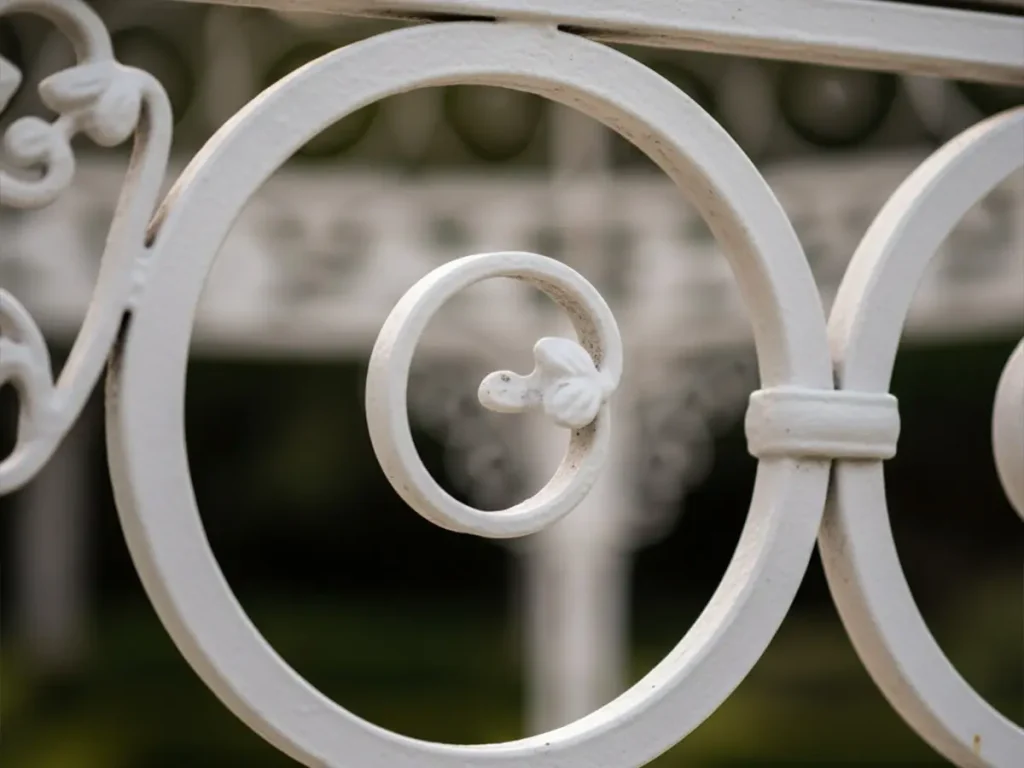
Wrought iron is heated and hand-forged.
It is shaped by hammering, bending, twisting, and scrolling.
It is not poured.
It is crafted.
This technique dates back to the Victorian era and is seen in structures across London and Paris.
Key Features of a Wrought Iron Gazebo
- Elegant scrollwork
- Decorative floral patterns
- Slim but strong profiles
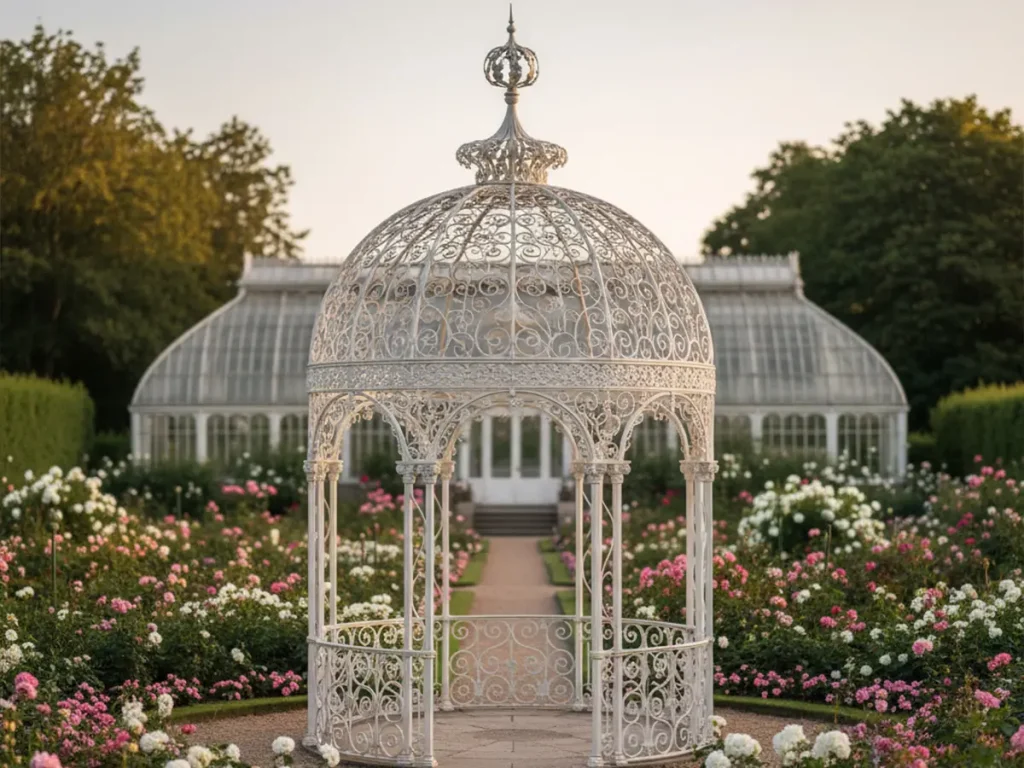
- “Birdcage” dome designs
- High customization potential
The structure feels light.
But it is structurally serious.
Best For: Weddings & Private Gardens
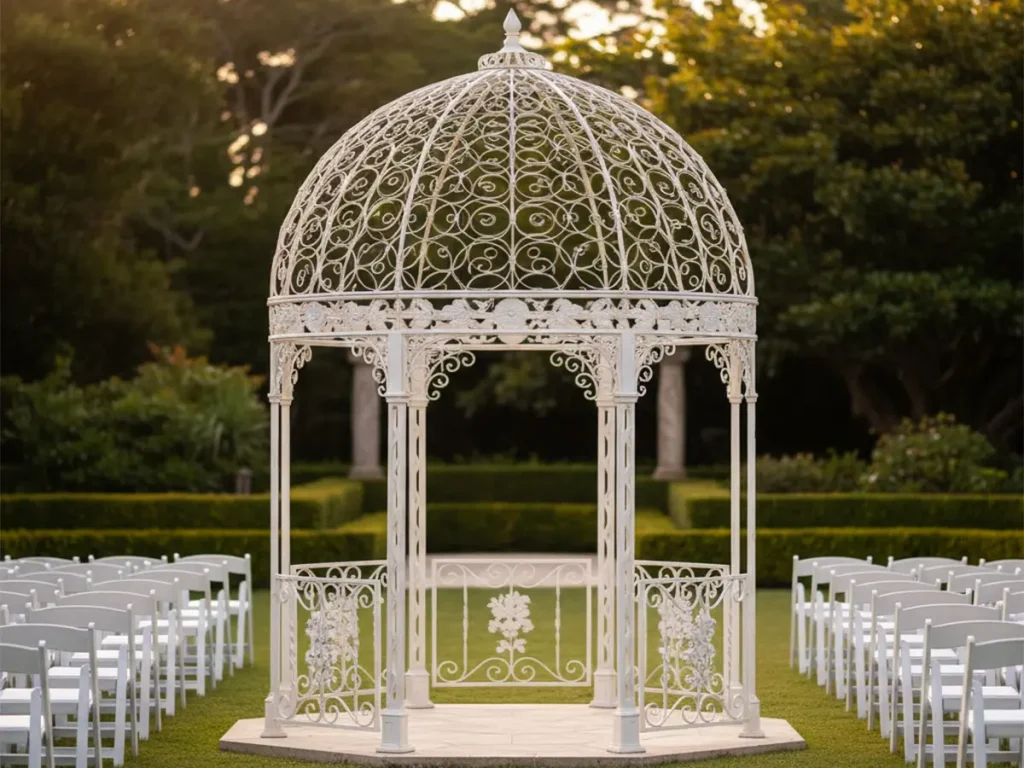
A white metal gazebo made from wrought iron creates a visual centerpiece.
For venue owners:
- It defines ceremony space
- It improves photo aesthetics
- It increases booking rates
The Wedding Pitch (B2B Strategy)
A permanent iron gazebo becomes your signature backdrop.
Every wedding photo becomes marketing material.
That means more social media exposure.
More referrals.
More premium pricing.
Unlike rental arches or fabric tents, this is infrastructure.
It signals quality.
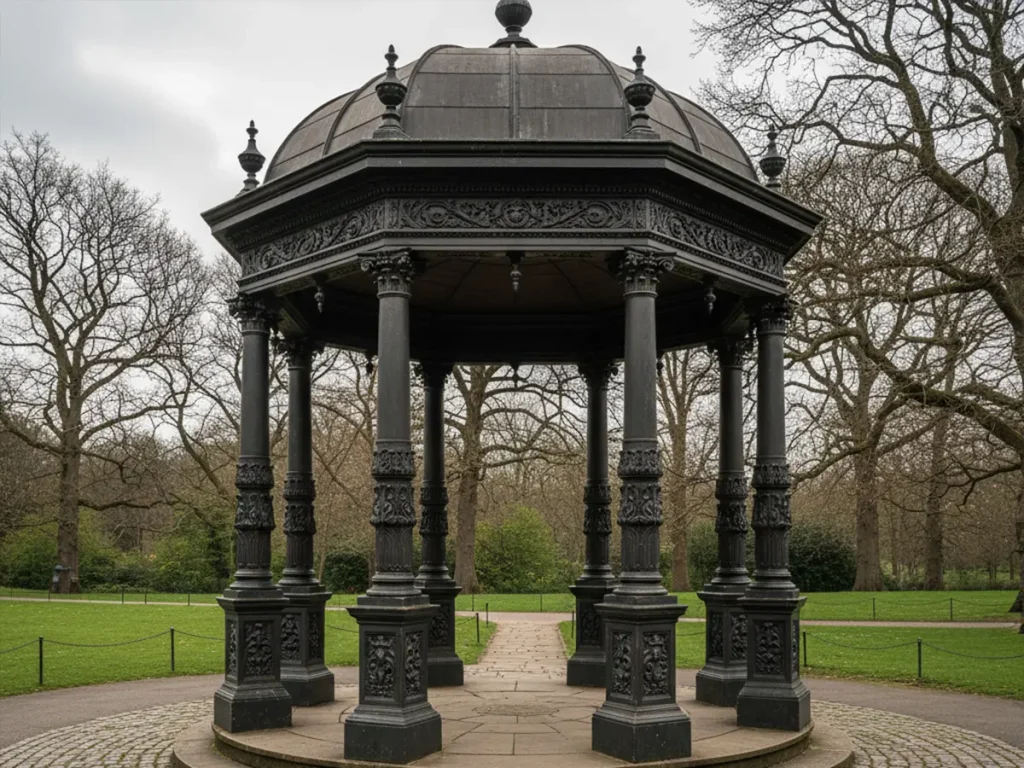
Pros & Cons — Wrought Iron Gazebo
Advantages
- Highly decorative
- Custom sizes available
- Lighter than cast iron
- Bolt-together installation
- Ideal for white finishes
Limitations
- Less “monumental” than cast iron
- Slightly higher fabrication labor cost
Installation
Wrought iron structures are modular.
They are shipped in sections.
Assembly is bolt-based.
No heavy crane required for standard 10–16 ft models.
Perfect for:
- Resorts
- Vineyards
- Private estates
Chapter 2: Cast Iron Gazebos — The Monumental Choice
What Is Cast Iron?
Cast iron is melted.
Then poured into molds.
Once cooled, it becomes a solid structural element.
This method allows deep relief detailing and heavy column construction.
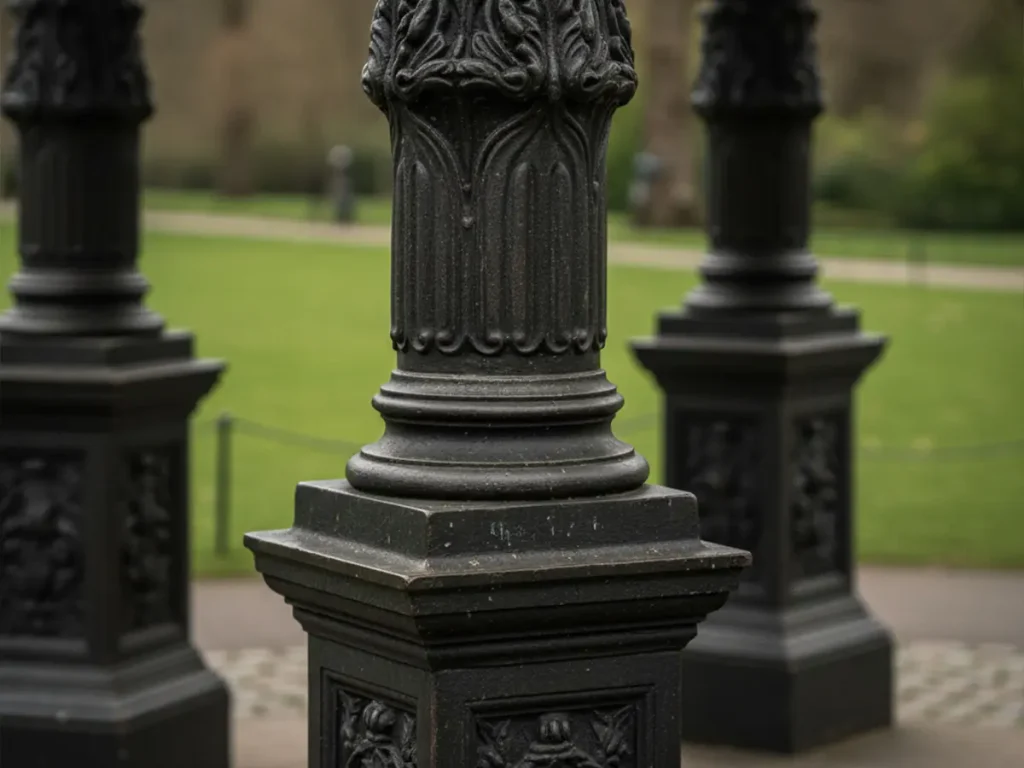
Key Features of a Cast Iron Gazebo
- Massive columns
- Modular heavy components
- Classical relief patterns
- Public monument presence
This is architectural iron.
Not decorative fencing.
Best For: Public Parks & Historic Restorations
If you’re restoring a bandstand in a municipal park, cast iron is historically accurate.
Many Victorian public structures across New York City used cast iron extensively.
Cast iron delivers:
- Authority
- Permanence
- Historical authenticity
Pros & Cons — Cast Iron Gazebo
Advantages
- Extremely durable
- Strong visual weight
- Ideal for restoration projects
- Heavy Duty structural feel
Limitations
- Very heavy
- Requires crane installation
- Higher transport cost
Installation Requirements
Cast iron components are extremely heavy.
Columns may weigh several hundred kilograms each.
Installation requires:
- Crane assistance
- Reinforced foundation
- Professional crew
This is municipal-grade construction.
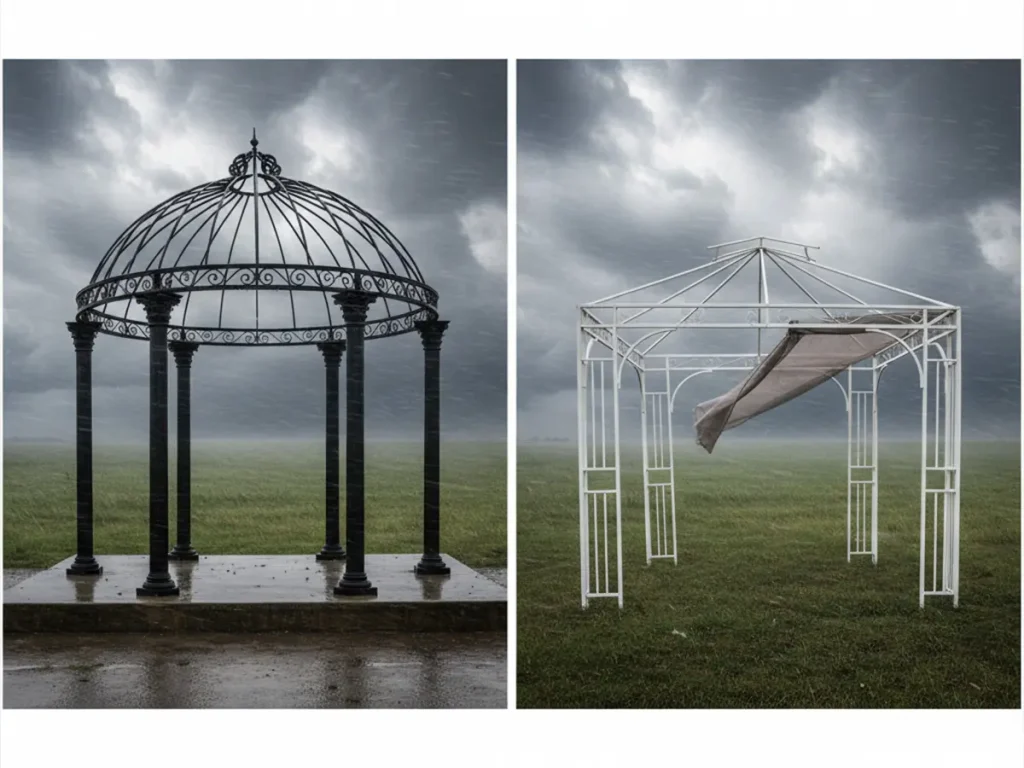
Chapter 3: The Rust Factor — The Most Important Section
This is where 80% of buyers make mistakes.
All iron rusts.
Unless properly treated.
The Cheap Method (Avoid This)
Many suppliers:
- Sandblast
- Spray primer
- Spray paint
Result?
Rust in 6–12 months.
Especially in humid or coastal climates.
This is NOT acceptable for a wedding venue.
The Professional Method — Hot-Dip Galvanizing
At Yun Sculpture, we use Hot-Dip Galvanizing.
This is not paint.
This is metallurgical protection.
The Process:
- Entire structure submerged in molten zinc
- Zinc bonds chemically with iron
- Creates a full-surface protective barrier
- Protects inside and outside surfaces
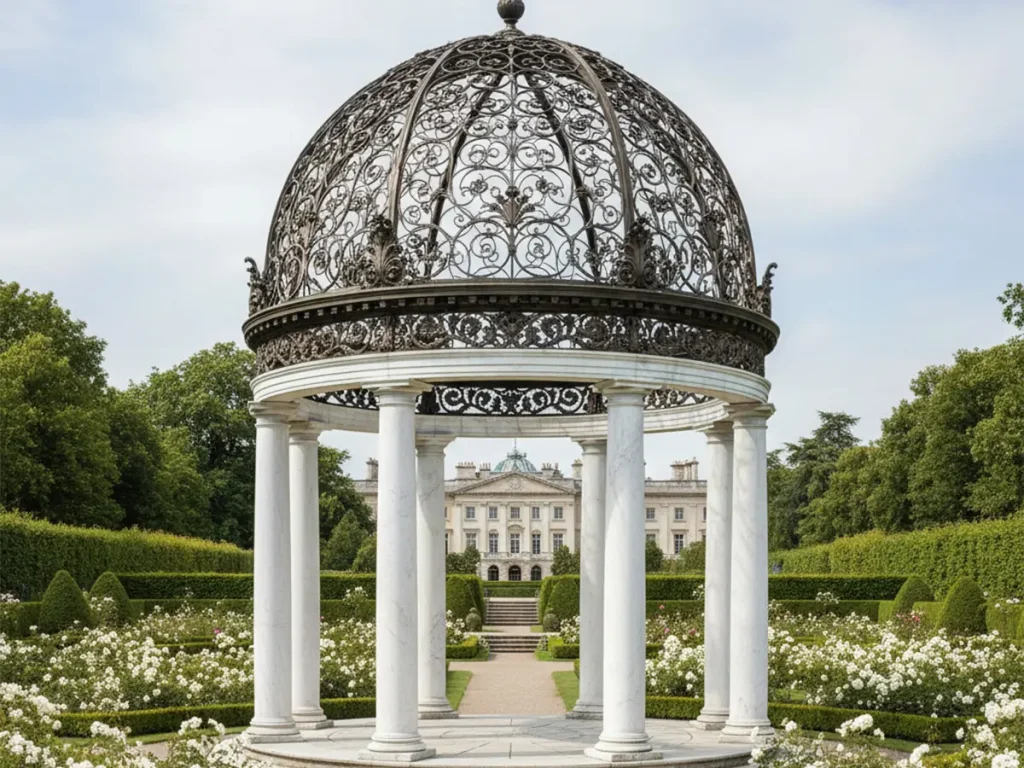
Why It Matters
- 30+ years rust resistance
- No internal corrosion
- Ideal for coastal climates
- Long-term maintenance savings
Cheap competitors only spray exterior surfaces.
Interior weld points rust first.
That means structural failure over time.
Our system prevents this.
Paint vs Galvanizing Comparison
| Protection Method | Lifespan | Internal Protection | Maintenance |
|---|---|---|---|
| Spray Paint | 1–3 years | No | Frequent repainting |
| Powder Coating | 5–8 years | No | Moderate |
| Hot-Dip Galvanizing | 30+ years | Yes | Minimal |
If you are building a venue business, choose protection — not repainting.
Chapter 4: Style Guide — Choosing the Right Look
Iron gazebos are not one-style-fits-all.
Let’s break down the major categories.
Victorian Style
Inspired by 19th-century England.
Highly ornamental.
Floral castings.
Intricate domes.
Perfect for:
- Botanical gardens
- Estate lawns
- Romantic wedding venues
Gothic Style
Pointed arches.
Vertical emphasis.
Dramatic silhouette.
Often chosen by:
- Churches
- Historic estates
Seen historically across Oxford architecture.
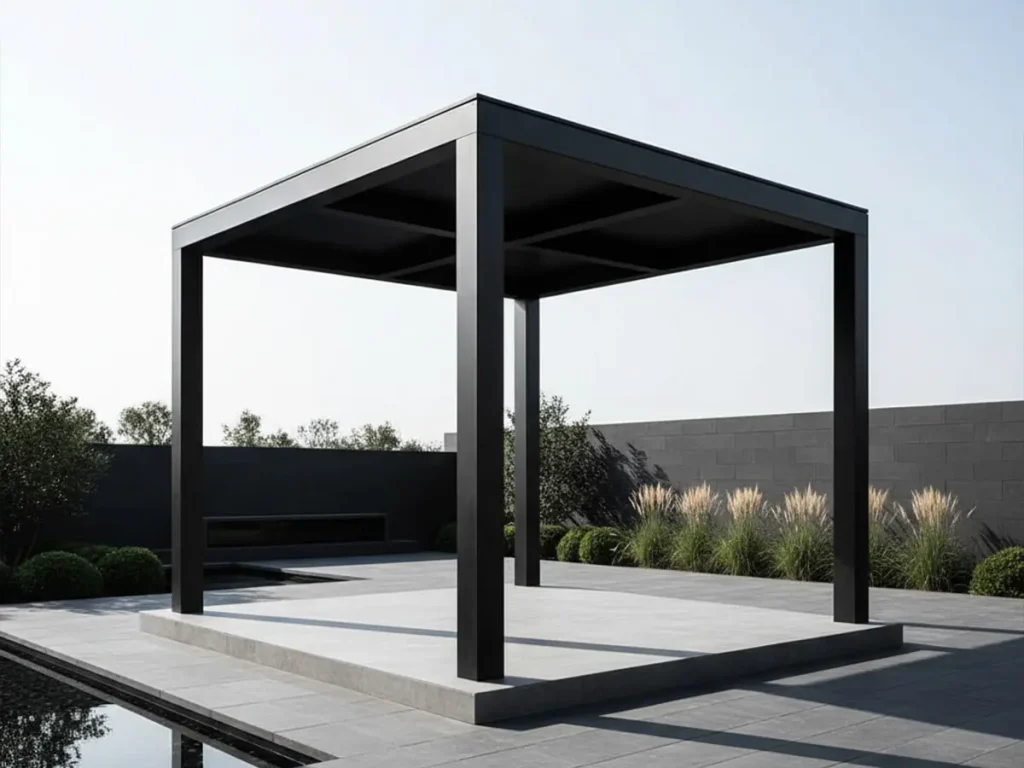
Modern Minimalist Iron
Clean lines.
Geometric framing.
Less ornament.
Perfect for contemporary estates.
The Hybrid Luxury Option
We offer:
Iron Dome on Marble Columns
This combines:
- Forged iron dome
- Solid stone structural columns
For ultimate elegance.
Looking for stone columns?
See our [Marble Gazebos].
This hybrid design is ideal for luxury resorts and high-end residential projects.
Chapter 5: Installation, Wind Resistance & Cost
Aluminum vs Iron — The Reality
Let’s be clear.
Aluminum is for camping.
Iron is for estates.
Retail aluminum gazebos (like those from big-box stores) are:
- Lightweight
- Thin-wall tubing
- Wind vulnerable
They are seasonal.
They are not architectural.
Material Comparison Table
| Feature | Wrought Iron | Cast Iron | Aluminum |
|---|---|---|---|
| Appearance | Elegant & Decorative | Monumental & Classical | Simple |
| Weight | Medium | Very Heavy | Light |
| Installation | Bolt Assembly | Crane Required | DIY |
| Wind Resistance | High | Extremely High | Low |
| Lifespan | 30+ years | 50+ years | 5–10 years |
| Best Use | Weddings & Estates | Public Parks | Temporary Events |
Foundation Requirements
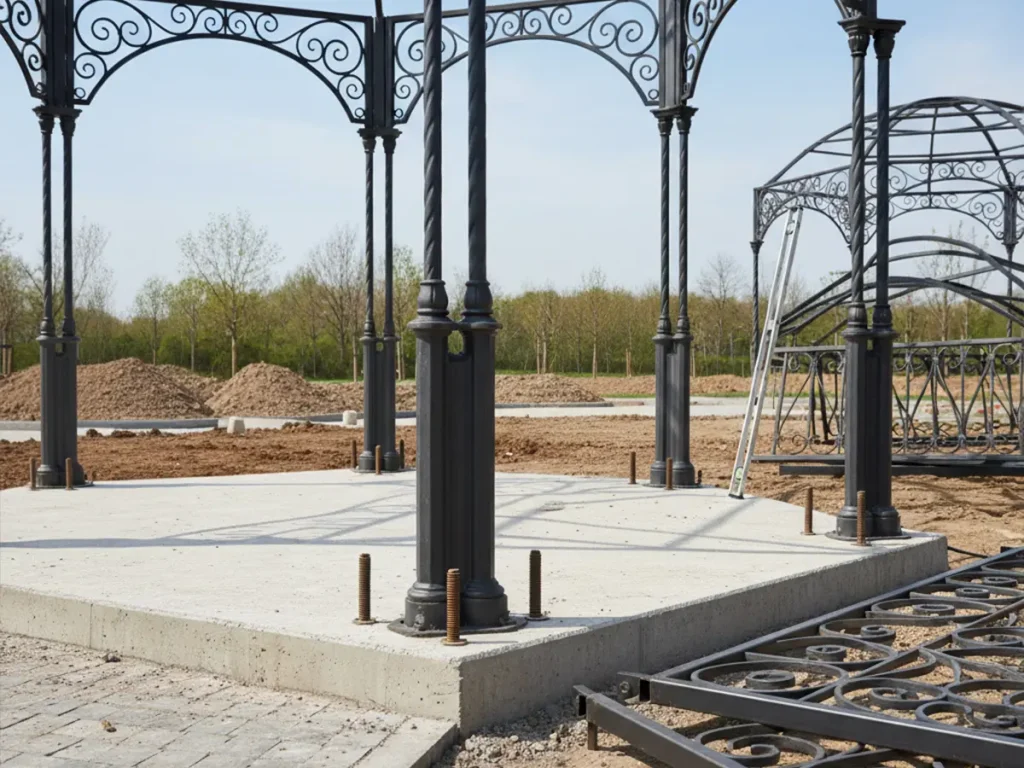
Iron gazebos require:
- Concrete footing
- Anchor bolts
- Drainage planning
This ensures structural integrity.
Especially in high-wind zones.
Heavy iron requires a solid base. Learn more in our [Heavy Gazebo Installation & Foundation Guide].
Cost Factors
Iron gazebo pricing depends on:
- Diameter (10ft–30ft+)
- Material thickness
- Ornament complexity
- Surface protection method
- Shipping distance
What Affects ROI?
For wedding venues:
- Booking rate increase
- Photo backdrop appeal
- Premium pricing capability
A permanent wedding gazebo can pay for itself in 1–2 seasons.
That’s infrastructure-level ROI.
Choosing the Right Iron Gazebo for Your Project
Ask yourself:
- Is this for a public park or private venue?
- Do I want monumentality or elegance?
- What is my installation budget?
- Am I building permanent infrastructure?
If you are building a brand-driven wedding venue, wrought iron is often the ideal solution.
If you are restoring civic heritage, cast iron is historically accurate.
Building a Wedding Venue?
A white wrought iron gazebo becomes your visual anchor.
It defines ceremony space.
It increases perceived value.
At Yun Sculpture, we offer:
- Free ROI Consultation
- Custom sizing
- Engineering drawings
- 30+ Year Rust-Proof Guarantee
Need a custom size for your venue?
[Get a Free Design Quote]
Final Thoughts — Permanent Architecture vs Temporary Shelter
There is a difference between:
A structure.
And architecture.
A temporary gazebo can be replaced.
A properly engineered iron gazebo becomes part of the land.
It outlives trends.
It withstands weather.
It elevates property value.
That is the difference.