Get in touch with Yun-Sculpture company
Timeless Stone Garden Furniture: Luxury Granite Benches & Hand-Carved Stone Tables

Wood rots. Metal rusts. Plastic breaks.
If you want furniture that stays outdoors for one hundred years, you choose stone.
In my factory we often say that true outdoor furniture should age like architecture. A Stone Garden Table and Chairs set does not simply sit in the landscape—it becomes part of it. The same is true for a classic Granite Bench, which feels less like furniture and more like a permanent structure placed intentionally in the garden.
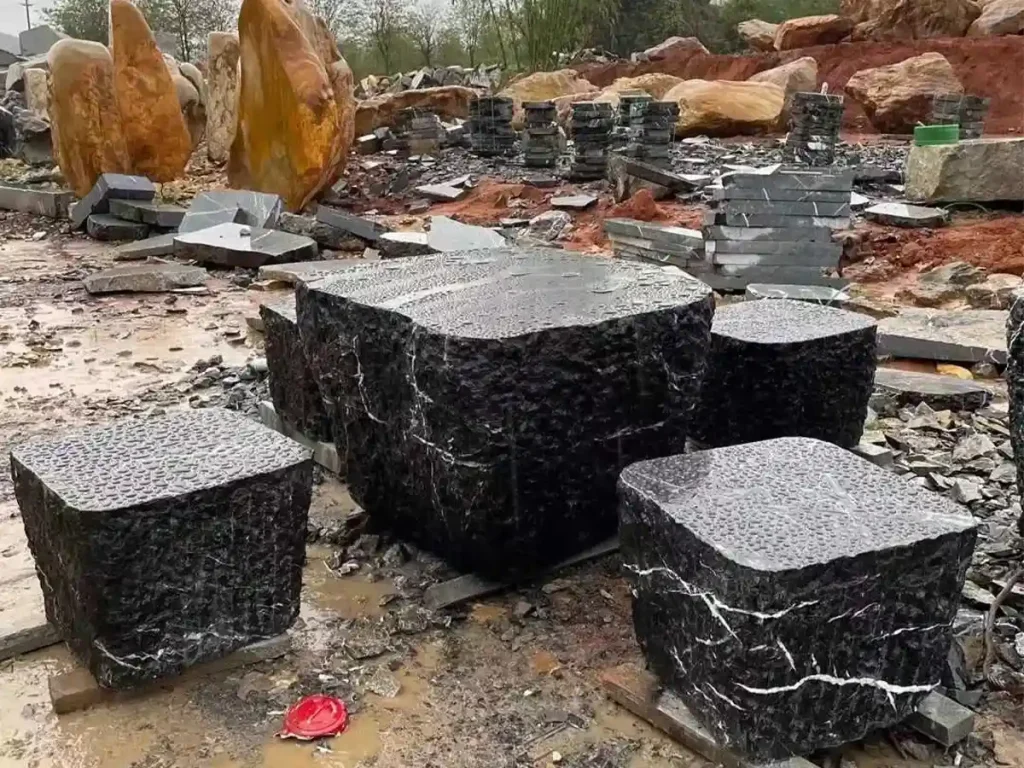
This is the central promise of Stone table garden furniture: structural permanence.
A well-made Stone garden table does not require seasonal storage or protective covers. It survives summer heat, winter frost, coastal air, and decades of rain. Over time the surface softens slightly through natural weathering, developing the quiet patina that only real stone can produce.
As a factory director, I think about durability first.
When we carve a stone table or bench, we are not making something temporary. We are shaping material that already existed for millions of years. Granite, basalt, and limestone formed deep within the earth long before any garden existed. When placed outdoors again, they simply continue their natural life.
Elena sees something else in these pieces.
To her, stone furniture changes how people move through a garden. A heavy table anchors an outdoor dining area. A granite bench turns a pathway into a pause point. The furniture becomes a destination rather than an accessory.
This is why architects and landscape designers return again and again to stone.
A carved Stone Garden Table and Chairs set invites gatherings under trees. A single Granite Bench placed beside water creates a quiet moment in a large landscape. Even a small courtyard feels grounded when a hand-carved stone table sits at its center.
There is another practical reason.
Stone furniture requires almost no care. No sanding, repainting, sealing, or winter storage. The material simply exists—solid, silent, and dependable.
For gardens designed to last generations, that kind of permanence matters.
Table of Contents
Table of Contents
Solid Granite Benches: Memorial & Architectural Seating
A granite bench carries a different presence than ordinary outdoor seating.
It feels permanent the moment you see it.
Unlike lightweight furniture that shifts with each season, a stone bench holds its position with quiet authority. The mass of the material creates visual stability in a landscape. Paths, gardens, and courtyards naturally orient themselves around it.
Architects appreciate this quality.
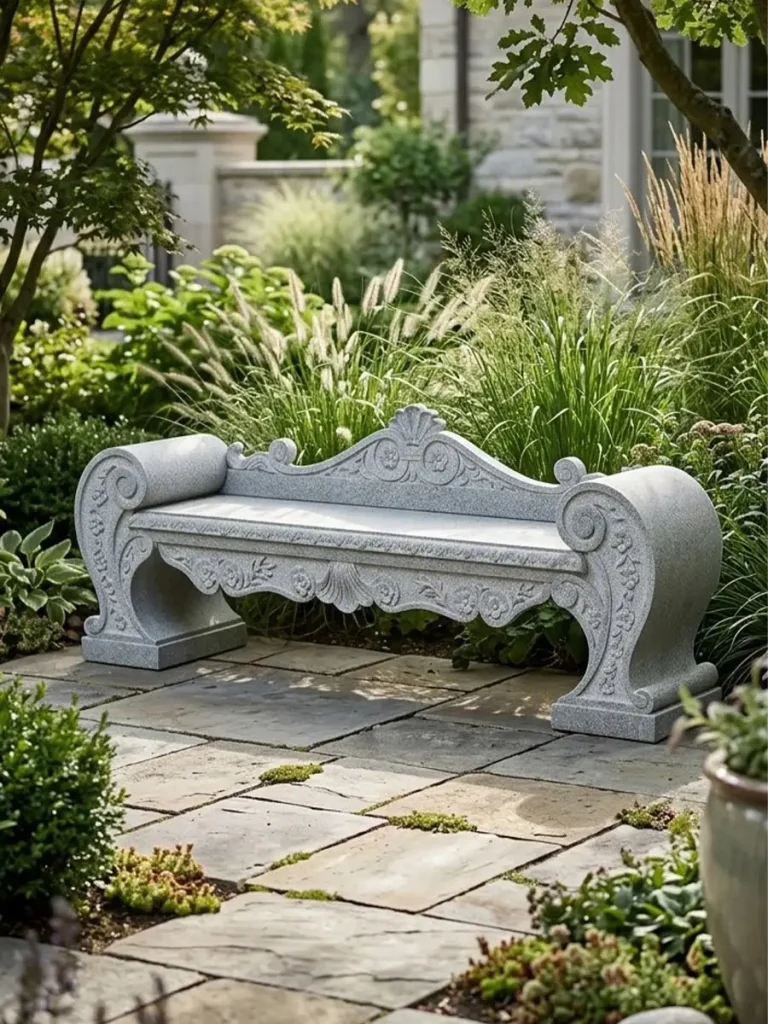
A Granite Bench functions almost like a low architectural wall. It defines edges, frames views, and creates resting points within larger landscapes. In public gardens, museums, and estates, stone benches guide visitors without needing signs or barriers.
But there is also something deeply human about them.
A bench invites pause. It suggests reflection. When carved from granite, that invitation carries weight—both physically and emotionally.
The Material Advantage: Why Granite Beats Wood and Metal
Granite is one of the hardest natural materials used in landscape design.
On the Mohs hardness scale, granite ranks around 6 to 7. Wood does not even appear on that scale. Most metals used in outdoor furniture scratch and corrode far more easily than stone.
In practical terms, this means a Solid granite bench is extremely difficult to damage.
Rain, frost, sun exposure, and temperature shifts have almost no structural impact on the stone. Unlike wood, it does not rot. Unlike steel or iron, it does not rust. And unlike plastic furniture, it will never become brittle from ultraviolet light.
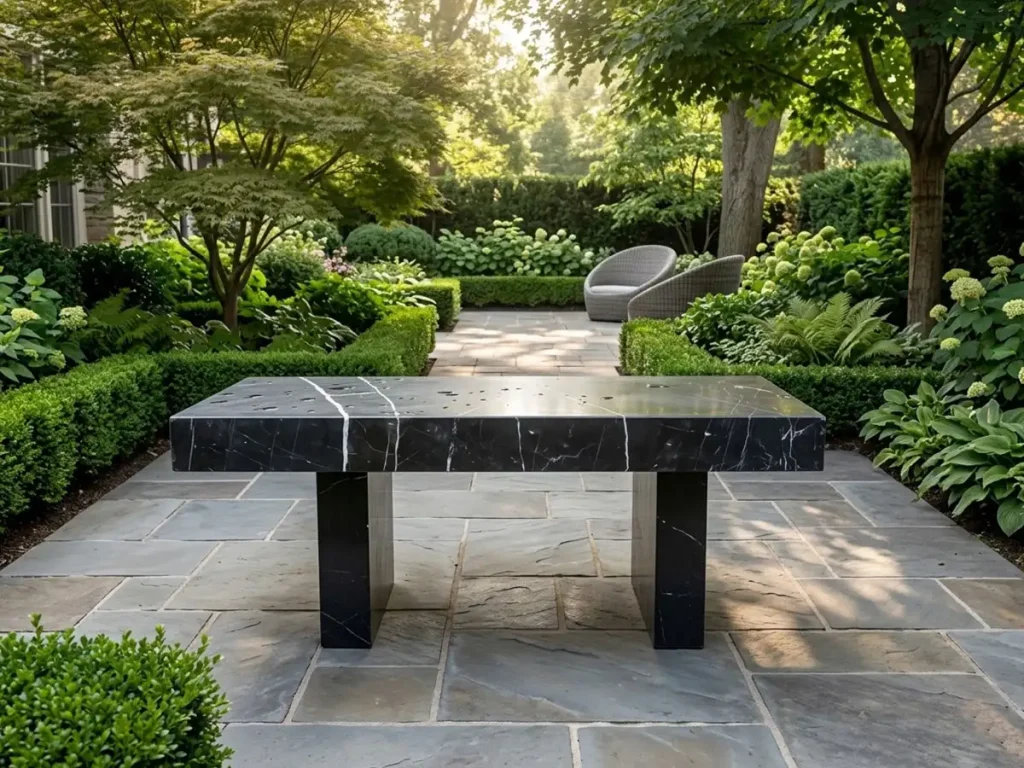
For clients who want zero maintenance, granite is the obvious choice.
Many modern outdoor pieces labeled as “stone” are actually composites. A Cast stone garden table, for example, is an engineered mixture of cement and crushed stone designed to imitate carved rock. It can look beautiful when new, but structurally it behaves more like concrete.
Natural stone behaves differently.
Granite and basalt formed under immense geological pressure. Their crystalline structure gives them exceptional compressive strength and long-term stability. Even after decades outdoors, the material remains fundamentally unchanged.
Instead of deteriorating, it undergoes natural weathering.
Edges soften slightly. Surfaces become smoother with rain and touch. The stone develops subtle tonal shifts that blend beautifully into the landscape. Rather than looking old, it looks settled.
That quiet aging process is something artificial materials rarely achieve.
Custom Granite Benches: From Cemetery Memorials to Private Estates
A bench is one of the simplest forms in landscape design.
But in the context of a memorial, it carries profound meaning.
Elena often reminds clients that memorial benches are not primarily for the person being remembered. They are for the living. A place to sit, to pause, and to hold a memory within a physical landscape.
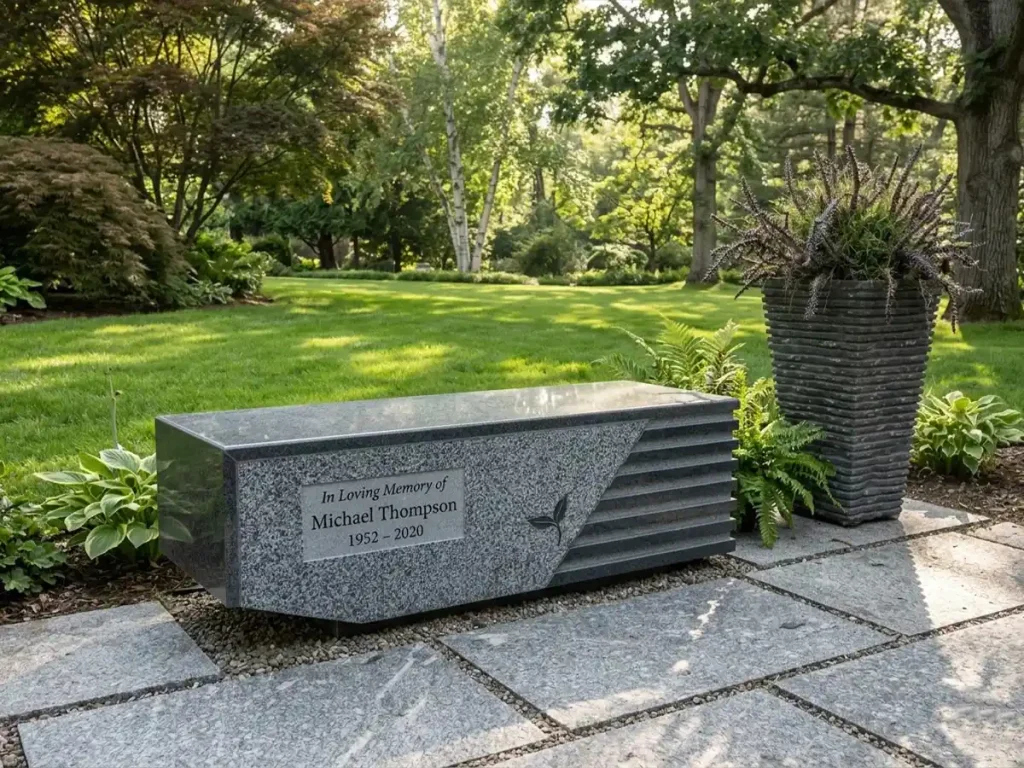
This is where the Monument bench granite becomes important.
Unlike lightweight benches that feel temporary, a granite memorial bench expresses permanence. Its mass communicates stability. Its presence suggests that memory, like the stone itself, will endure.
Design plays a quiet but important role.
Many memorial benches are carved from a single block of granite, creating a monolithic design with no joints or mechanical fasteners. The structure feels calm and grounded. Nothing appears assembled or fragile.


The result is a piece that feels almost timeless.
In cemeteries, botanical gardens, and private estates, these benches create spaces for reflection. Visitors sit quietly beneath trees, facing water, or overlooking open landscapes.
The bench becomes more than furniture.
It becomes a place where time slows down.
Stone Table Garden Furniture: The Ultimate Outdoor Dining Centerpiece
A stone table transforms a garden from a decorative space into a place of gathering.
When placed thoughtfully, it does more than hold plates and glasses—it commands presence. A Stone garden table set becomes the anchor of an outdoor room. Paths, plantings, and terraces naturally orient themselves toward it. The furniture communicates permanence and elegance, signaling that the space is meant to be lived in and experienced.
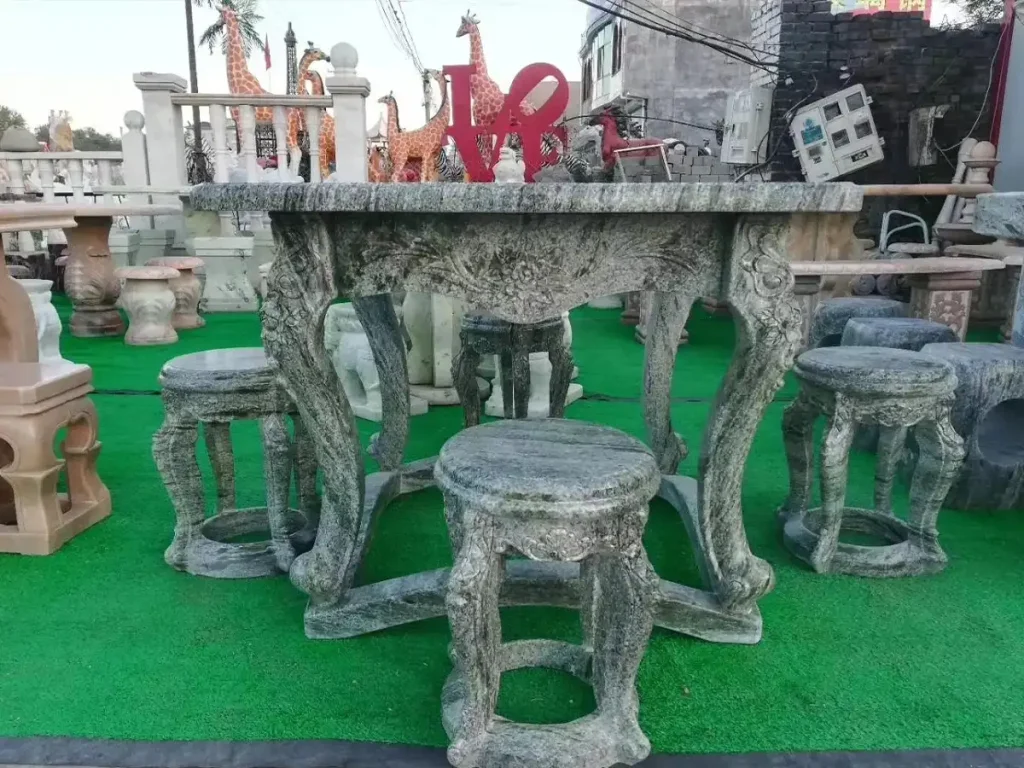


Elena often reminds clients: furniture defines space as much as architecture does. Unlike lightweight tables that shift with the wind, a hand-carved stone piece establishes a visual and tactile boundary. Its weight, texture, and form tell visitors where to pause, sit, and converse.
Stone also bridges eras. Contemporary gardens, rustic patios, and historic estates all benefit from a Stone garden bench and table combination. The material’s subtle aging and tonal variations harmonize with natural surroundings, while its solidity anchors modern design interventions.
Round Stone Garden Tables for Intimate Gathering
Humans are instinctively drawn to circular arrangements.
A Round stone garden table creates a natural “Prospect and Refuge” experience—each diner faces the others while feeling secure within a bounded circle. Conversation flows more freely around a circular surface, and each participant has equal visual access to the group.
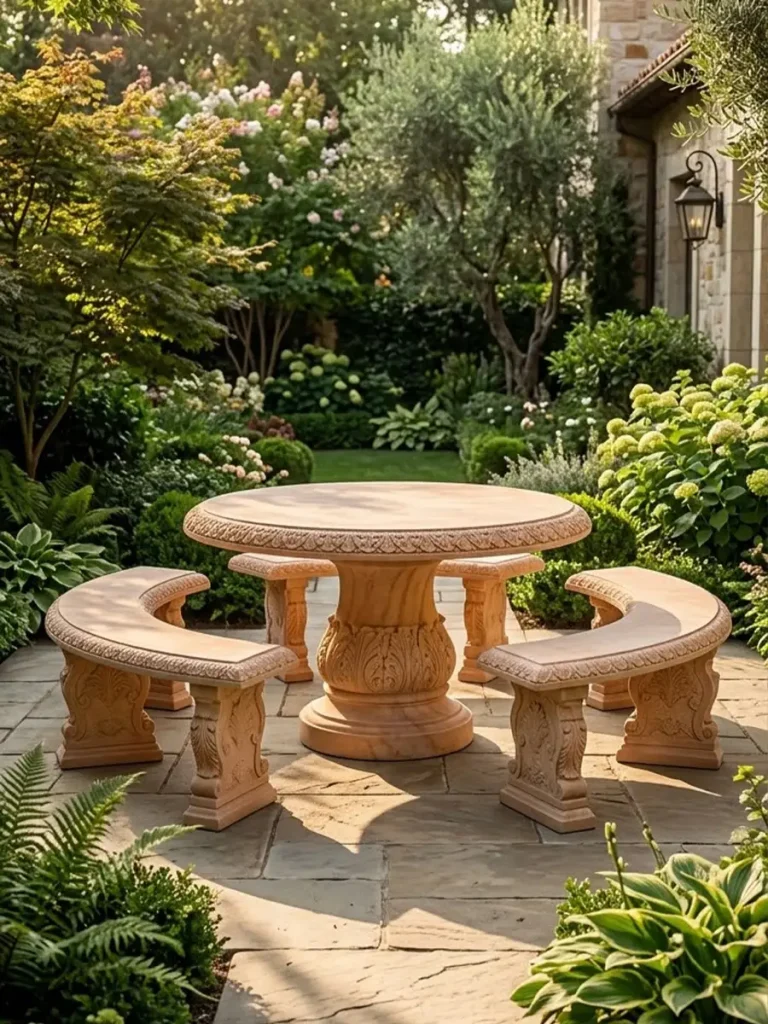
A Stone top garden table enhances this intimacy with tactile solidity. The heavy, polished surface invites touch and gesture, reinforcing the sense of connection. When paired with a carefully carved Antique stone garden table, the ensemble becomes a Focal point in any courtyard or terrace.
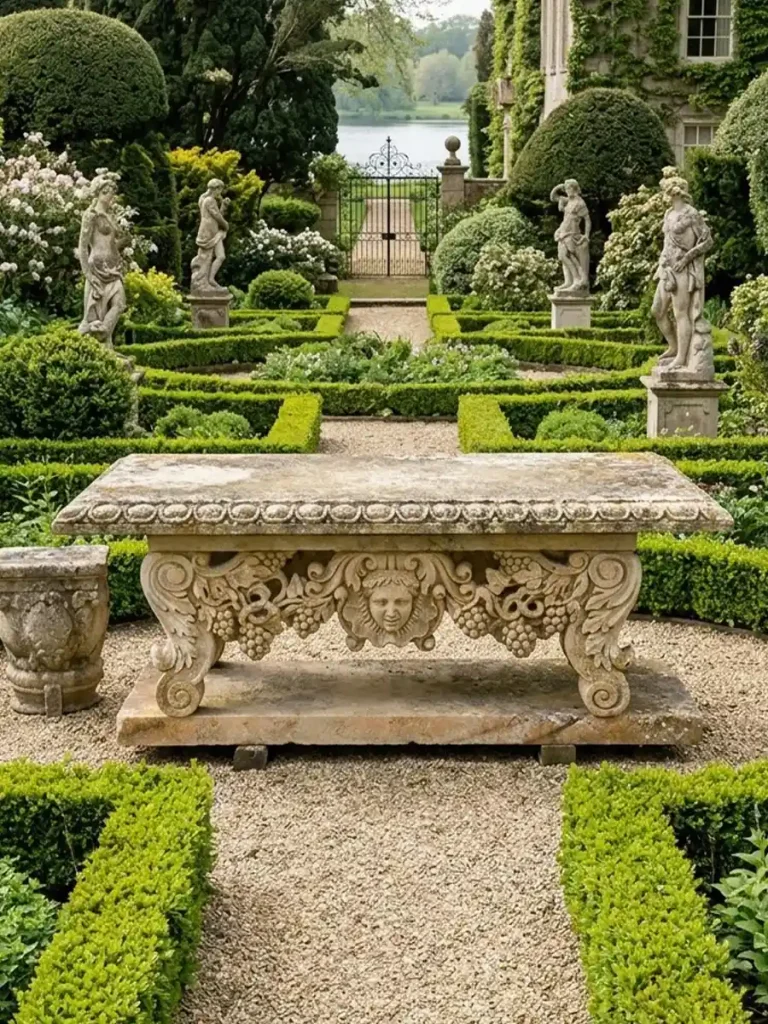
The base matters as much as the top.
A Heavy-duty base ensures the table remains steadfast through wind, rain, and playful children. Unlike aluminum or resin alternatives, the stone base guarantees the table will not tip, wobble, or degrade over time. It is furniture as architecture—stable, enduring, and monumental.
When positioned correctly, the table draws movement naturally. Garden paths, seating, and planter arrangements respond to its geometry. The furniture does not simply exist; it orchestrates the garden experience.
Modern Stone Seating Walls & Curved Benches
Not all gardens are rectilinear.
For landscapes with organic curves, terraces, or fire pits, a Stone seating wall or gently curved Stone bench seat accommodates movement and conversation. Instead of forcing a rigid arrangement, curved stone furniture follows the natural flow of the site, turning a simple seating area into a purposeful Stone seating area.

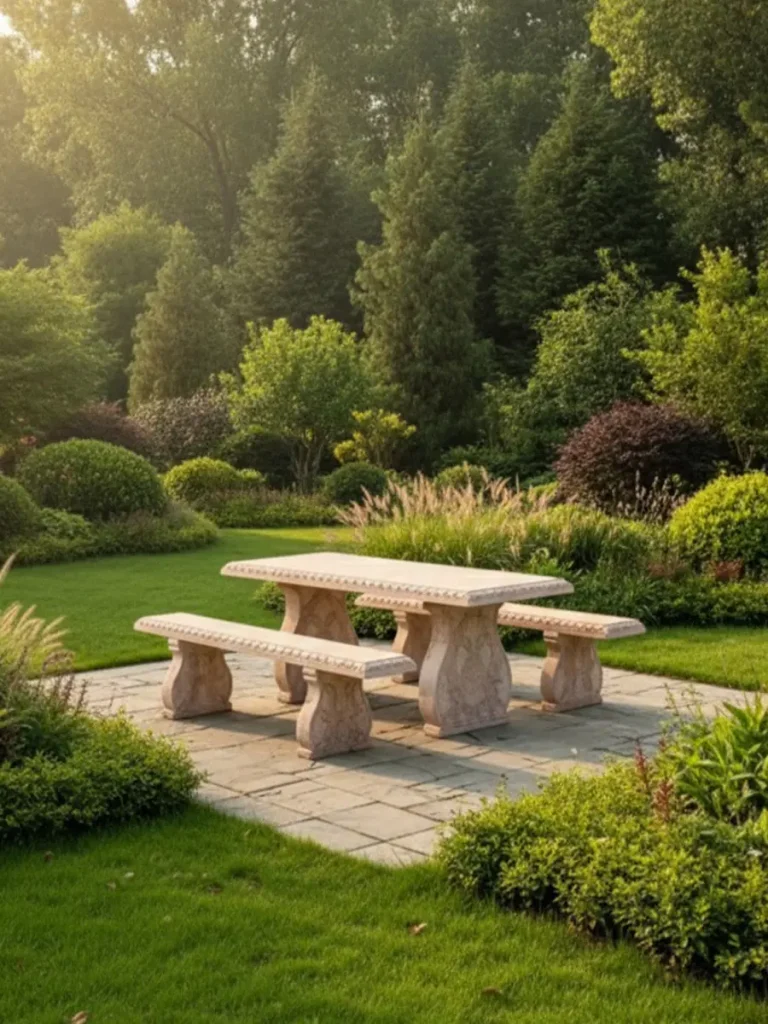
Complete ensembles enhance cohesion.
Purchasing a Stone garden table set, Stone table and chairs for garden, or Stone garden bench and table ensures that all elements share material, scale, and proportion. When stone furniture matches in color, veining, and texture, the space reads as unified rather than fragmented.
Visual balance is essential.
Curved seating contrasts with angular terraces or rectangular tables, creating a rhythm in the landscape. The furniture functions as both infrastructure and ornamentation. Guests intuitively understand where to sit, how to approach, and where to linger. Every curve, every polished edge, every solid surface contributes to a spatial narrative.
Stone furniture’s mass also stabilizes the design visually.
Unlike lightweight wood or composite pieces, stone appears grounded even when the surrounding terrain shifts. The result is a seating area that feels permanent, inviting, and carefully composed.
Indoor Luxury: Stone Shower Seats and Benches
Stone’s utility extends indoors.
Its waterproof nature makes it ideal for high-moisture environments. Custom marble Stone shower seats bring outdoor durability into the bathroom, combining elegance with practicality. Each seat is carved to precise specifications, ensuring both comfort and longevity.

Modern designs favor minimalism.
A Floating shower bench exemplifies this approach. The stone appears to hover, supported invisibly, creating a seamless transition between floor and wall. It complements luxury tiles, sleek glass enclosures, and high-end fixtures. Functionality is never sacrificed: no mold, no rot, no structural compromise.
Beyond utility, stone communicates luxury.
Marble, granite, or engineered stone surfaces in the shower provide visual weight and tactile satisfaction. Sitting on a stone bench feels deliberate, grounding the user in both the materiality of the space and the moment of pause. In bathrooms designed for indulgence, stone becomes both a practical necessity and a sculptural element.
Like outdoor furniture, stone shower seating endures.
Years of steam, soap, and daily use leave the surface pristine, with only subtle patina developing. Unlike wood, which swells or warps, or synthetic benches that discolor, stone maintains its structural integrity and aesthetic authority. The material does not merely survive moisture—it celebrates it.
FAQ: Selecting, Installing, and Maintaining Your Stone Furniture
How much does a custom memorial bench cost?
Stone furniture spans a wide spectrum of investment. Entry-level cast stone benches start around $370-$600. These are ideal for clients seeking durability on a budget, though they lack the longevity of natural granite.
Mid-range granite benches typically range from $1,500 to $3,500, balancing elegance, permanence, and modest customization options. These are suitable for residential gardens or smaller memorial sites.
High-end, fully custom granite memorial benches with backrests, carved inscriptions, or intricate motifs can range from $6,000 to $18,000 or more. These pieces are intended as enduring monuments, engineered to withstand decades of weather while serving as both functional seating and a sculptural statement.
Will stone benches crack in the winter due to freezing?
Freeze-thaw cycles pose the primary risk for outdoor stone furniture. Water trapped in the stone or beneath the bench expands roughly 9% when it freezes, exerting tremendous stress.
Preventing damage requires foresight. Choosing high-density natural stones such as granite or basalt reduces porosity and moisture absorption. Applying quality sealants further limits water infiltration.
Equally important is installation: a well-drained base, such as crushed gravel, prevents water from wicking into the stone. Even under extreme winter conditions, a properly installed bench resists cracking and remains structurally sound for decades.
Which material is the most durable: Granite, Basalt, or Marble?
Durability depends on mineral density and environmental exposure. Granite, with a Mohs hardness of 6-7, is the standard for heavy-use outdoor furniture. It withstands abrasion, frost, and UV exposure without significant wear.
Basalt surpasses granite in density and polish retention, maintaining a smooth surface 30-40% longer outdoors. Its fine-grained texture resists staining and chipping, making it ideal for high-traffic public spaces.
Marble, with a Mohs hardness of 3-5, is softer and more porous. It is vulnerable to acid rain, etching, and freeze-thaw cycles, making it best suited for indoor environments or covered patios where exposure is limited.
How do you securely anchor a stone bench to the ground?
Secure anchoring ensures both safety and longevity. For concrete surfaces, drill into the slab and use galvanized steel pins or high-strength epoxy to fasten the bench. This method creates a semi-permanent attachment without compromising the stone.
For grass or dirt, excavate and pour a concrete pad before placing the bench. This distributes weight evenly, prevents sinking, and limits moisture exposure.
On wood decks, anchor between joists rather than through deck planks. This avoids cracking or splitting the wood while maintaining structural integrity. Proper anchoring ensures the bench remains stationary under wind, weight, and seasonal expansion.
What are the standard dimensions for an outdoor stone bench?
Ergonomics drive bench dimensions. A seat height of 18-20 inches allows most adults to sit and rise comfortably. Seat depth of 15-20 inches provides ample support without feeling overly deep.
Length depends on intended occupancy. A two-adult residential bench is typically 48 inches. For three adults or small public spaces, benches range 60-80 inches. These dimensions balance comfort, proportion, and structural stability, especially for heavy stones like granite or basalt.
Can I place a memorial bench in any cemetery or public park?
Not all locations permit stone benches. Municipal and cemetery regulations are strict. Many sites mandate specific materials, often requiring only granite sourced from approved quarries.
Foundations are equally regulated. Some cemeteries insist on concrete pad depths poured by their staff to ensure stability and prevent shifting. Others may restrict ornamentation, size, or inscriptions.
Before commissioning a memorial bench, always consult site authorities. Installing without approval risks removal, fines, or non-compliance with local codes. Proper planning ensures your Monument bench granite fulfills both emotional intent and regulatory requirements.
What is the difference between polished and flamed stone finishes?
Stone finishes determine both aesthetics and performance. A polished surface is high-gloss and reflective, creating a formal, luxurious appearance. It is ideal for tabletops and indoor benches, but extremely slippery when wet, making it less suitable for outdoor patios or poolside areas.
Flamed stone is heated rapidly to pop the crystals, producing a rough, slip-resistant texture. This finish is perfect for outdoor furniture exposed to rain or pool splashes.
A honed finish sits between polished and flamed: smooth and matte, offering elegance without glare or excessive slipperiness. Designers often combine finishes for both visual contrast and practical performance.
What are the outdoor furniture design trends for 2025-2026?
The upcoming trends emphasize sculptural presence and material interplay. “Indoor Style, Outdoors” dominates: furniture looks as refined as living room pieces but withstands weather exposure. Organic, flowing curves replace rigid angles, encouraging conversational arrangements and intimate gathering.
Material mixing is another key trend. Natural stone pairs seamlessly with teak, rope, or powder-coated metal. The combination of textures and finishes adds depth to terraces, courtyards, and rooftop gardens.
Even small details matter: stone tabletops with subtle veining, integrated planters, and custom edges create visual continuity. Designers prioritize furniture that functions as architecture while remaining inviting.
How do I clean stains (bird droppings, rust) off a granite bench?
Maintenance is straightforward but requires care. For general cleaning, use a soft brush and mild soapy water. Avoid harsh scrubbing, which can scratch the surface.
For rust stains, a baking soda paste gently lifts discoloration without damaging the stone. Avoid acidic cleaners, such as vinegar or lemon juice, especially on marble or limestone, as they cause permanent etching.
To protect long-term beauty, maintain sealed granite surfaces. A light coat of automotive wax or stone sealer preserves sheen, repels water, and reduces staining. Regular cleaning combined with occasional sealing ensures the bench remains virtually maintenance-free for decades.
How should I choose the best placement for a stone bench?
Placement is both practical and psychological. The Prospect and Refuge theory suggests a bench should provide a wide, open view (prospect) while offering a sense of security (refuge) through back support, such as a wall, large tree, or hedge.
Avoid extremes. Midday sun can make stone uncomfortable, and wind tunnels along pathways can discourage use. Consider nearby pathways, water features, or focal garden elements to maximize both convenience and aesthetic impact.
A thoughtfully positioned bench transforms the landscape. Visitors naturally pause, reflect, and engage with the surroundings. The furniture becomes a designed experience rather than a passive element.
How much does a solid stone garden table cost?
Pricing varies according to size, material, and artistry. A simple cast stone table typically starts around $1,000, providing durability at an accessible price point.
A monolithic, hand-carved natural granite dining set commands significantly more. Depending on weight, stone rarity, and carving complexity, these tables range from $2,000 to $5,000 or more.
Custom options—integrated seating, inlaid patterns, or specialized finishes—further increase cost. The investment is reflected in the furniture’s structural permanence and multi-generational lifespan.
How to build a curved stone seating wall?
Precision is essential for curved installations. Begin by leveling the foundation with a deep, compacted gravel and concrete trench. This ensures stability, prevents settling, and accommodates the weight of stone blocks.
Curved stone blocks are then modularly arranged along the line of the design. Use masonry adhesive or mortar to secure joints, ensuring the wall can withstand outdoor conditions over decades.
Attention to grade, curvature, and backfill ensures both durability and comfort. Finished walls create functional seating that doubles as a sculptural anchor in the landscape.
Stone garden furniture is not a seasonal purchase. It is a permanent investment in architectural longevity, aesthetic continuity, and multi-generational enjoyment. Every Stone garden table, Granite Bench, or Stone seating area carries weight—literal and symbolic—rooting your landscape in beauty and permanence. Proper selection, installation, and care allow these pieces to outlast trends, children’s play, and generations of weather cycles.
When you choose stone, you choose legacy. A bench, table, or seating wall is not merely furniture; it is a lasting statement in the garden, terrace, or indoor sanctuary. The careful combination of material, finish, and placement transforms your outdoor or indoor spaces into environments where design and memory coalesce.
– Boss Zhang & Elena Zhang, Yun Sculpture