Get in touch with Yun-Sculpture company
Beyond Stainless Steel: The Ultimate Guide to Custom Large Outdoor Metal Wall Art

In contemporary architecture, the interplay between structure and surface is a conversation in itself. Abstract metal wall art and metal wall sculptures are no longer mere decorative accents—they are defining elements of modern design. On vast exterior walls, these artworks anchor a building’s identity, bridging minimalism and monumentality, while transforming blank expanses into immersive visual experiences. At Yun Sculpture, we approach each commission as a dialogue between space, material, and imagination, crafting custom metal sculpture pieces that articulate both scale and subtlety.
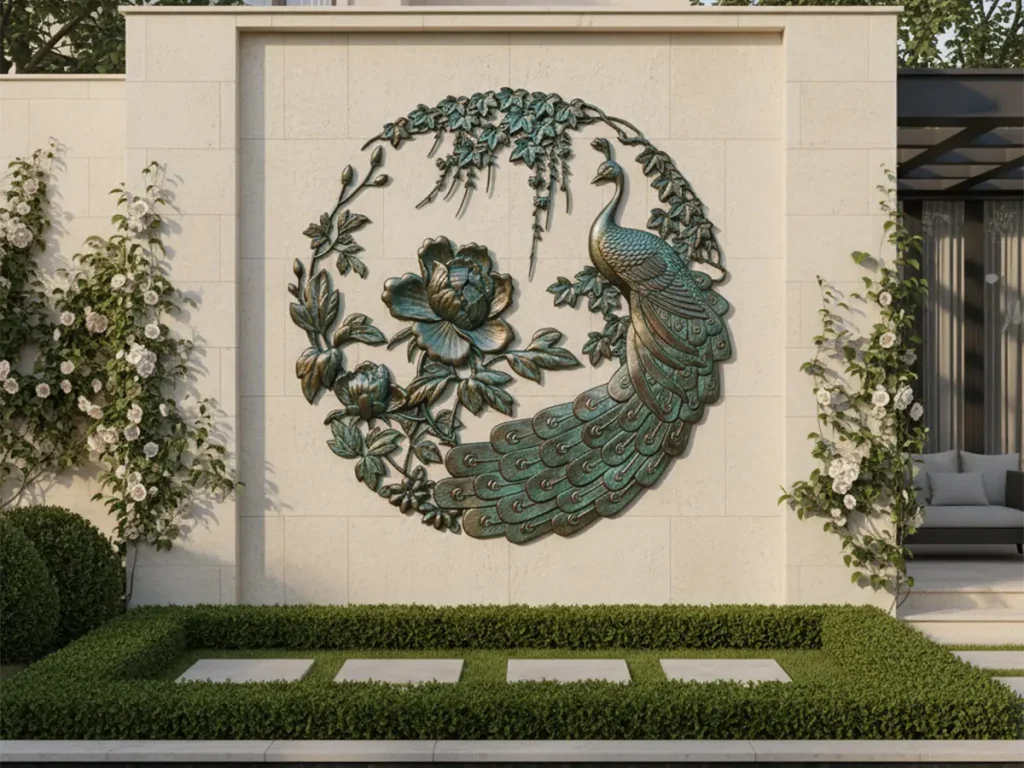
Table of Contents
Table of Contents
Defining Modern Architecture with Abstract Metal Wall Art
Modern architecture thrives on clarity of form and dynamic interaction with light and space. Abstract metal wall art provides architects and designers a medium to extend this philosophy into three dimensions. Unlike conventional murals or framed works, metal wall sculptures bring a tactile dimension, creating shadows, depth, and movement across exterior surfaces. They translate the language of architecture into a visual rhythm, allowing exterior walls to resonate with the surrounding environment while maintaining a contemporary style.
Abstract metal wall art can also respond to the geometry of a building. By integrating geometric metal sculpture motifs, designers can echo structural lines or introduce contrasting fluidity. Whether on a residential façade, a corporate campus, or a public installation, these pieces establish a dialogue between materiality and spatial perception. The result is a bespoke statement that balances sophistication with architectural precision.
The Visual Impact of Large Outdoor Metal Wall Art
Large outdoor metal wall art commands presence without overwhelming its setting. When thoughtfully scaled and proportioned, it transforms blank exterior walls into monumental statements. In a contemporary style environment, these installations act as focal points, drawing the eye upward or across a façade, emphasizing the building’s form while articulating its character.
Contemporary abstract metal wall art allows for flexibility in expression. Shapes can interlock or float independently, creating optical textures and subtle contrasts in finish and shadow. Copper, bronze, and patinated metals respond to sunlight differently throughout the day, turning the wall itself into a living canvas. The visual effect is both sculptural and architectural, allowing exterior walls to carry narrative weight, rather than simply serving as structural boundaries.
Beyond aesthetics, large-scale metal wall art enhances the experiential quality of a space. Visitors encounter a layered interplay of material, light, and perspective that invites repeated exploration. Unlike traditional façade treatments, metal wall sculptures integrate sculptural depth with architectural intention, bridging art and structure seamlessly. The scale and materiality of each piece assert a presence that aligns with modern architecture’s bold yet disciplined ethos.
3D Metal Wall Art Sculpture: Depth Without the Weight
Three-dimensional metal wall art sculpture redefines how depth is experienced on vertical planes. Reliefs provide dimensionality without the structural load of full-round statues, making them ideal for exterior walls of both residential and commercial projects. By elevating the surface through geometric metal sculpture patterns, architects achieve visual intrigue while maintaining practicality.

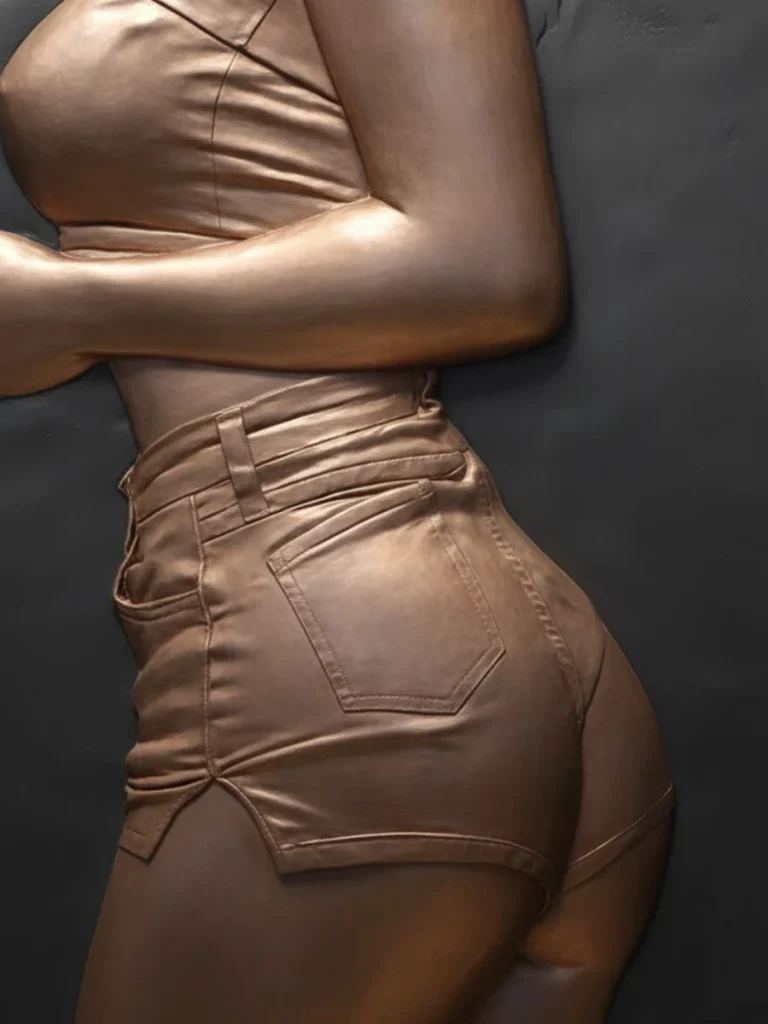
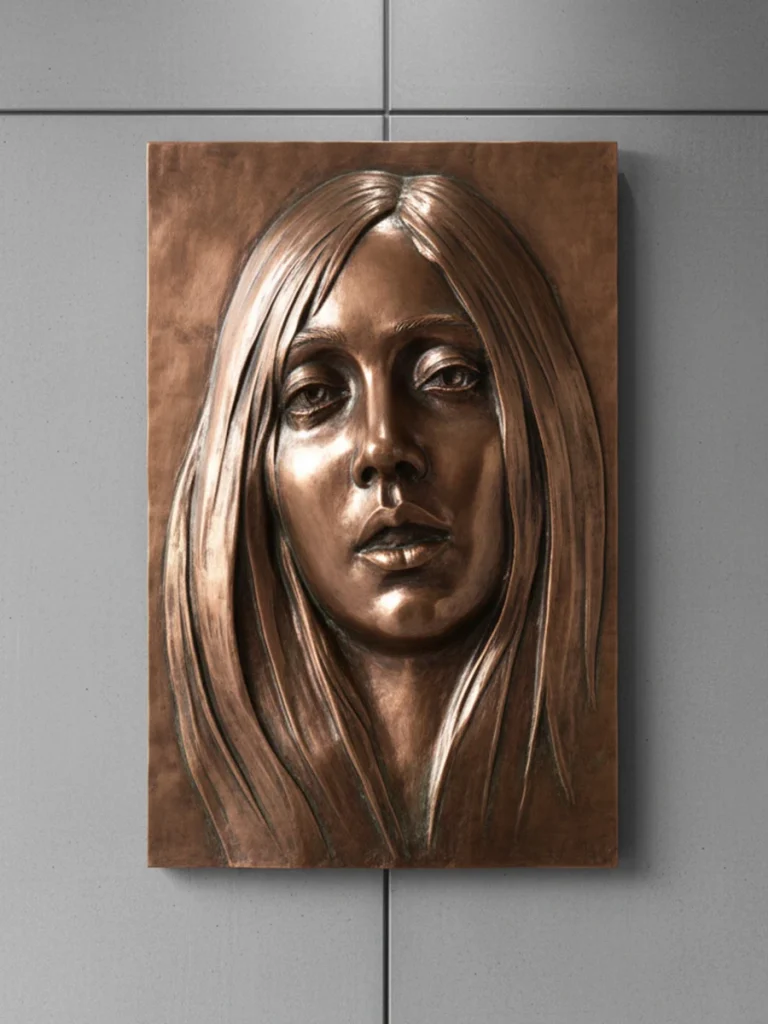
Metal wall sculptures geometric designs allow for dynamic layering. Panels can be stacked or overlaid, creating shadows and highlights that shift with the sun’s trajectory. The interplay of angles, curves, and perforations generates complexity and movement, engaging viewers at multiple distances. This approach is particularly effective in contemporary abstract metal wall art, where the geometry itself becomes a central language of the design.
Custom metal sculpture reliefs offer versatility in material and finish. Copper, bronze, and stainless steel can be treated to evoke patinas, polish, or matte textures, enhancing the sculptural presence without adding unnecessary weight. Geometric metal sculpture designs translate minimalist architectural intentions into bold three-dimensional narratives, ensuring that every exterior wall is both visually compelling and structurally sound. In this way, 3d metal wall art sculpture becomes more than decoration—it becomes an integral part of the architectural composition, marrying form, depth, and material intelligence.
The Copper Advantage: A Breathing Metal for Exterior Walls
Copper is a living material. Unlike industrial alloys, it responds to the environment, absorbing sunlight, moisture, and air to develop a rich, evolving character over time. For exterior walls, copper metal wall sculptures offer warmth, depth, and longevity that stainless steel simply cannot match. Its natural resilience makes it weatherproof, while its visual warmth imbues contemporary façades with an organic elegance. At Yun Sculpture, we embrace copper not merely as a medium, but as a collaborator with the architecture, letting the material’s inherent qualities dictate form, texture, and finish.
Copper’s versatility is unparalleled. From flat panels to sculpted reliefs, it adapts to geometric and abstract designs while maintaining a sense of noble sophistication. Unlike other metals, it does not demand heavy framing or excessive structural support. The metal’s malleability allows our artisans to craft intricate patterns, sweeping curves, and dimensional textures, creating handcrafted metal wall art that engages both the eye and the hand. Each piece breathes with the building, reflecting seasonal light and shadow, and revealing the artistry of its maker.
Copper Metal Wall Sculpture vs. Stainless Steel
When comparing a copper metal wall sculpture to stainless steel, the difference is immediately apparent. Stainless steel can appear cold and industrial. Its reflective surface often produces glare, creating light pollution on urban façades and diminishing subtle architectural detail. Over time, even high-grade stainless can show streaks, watermarks, or fingerprints that erode its visual appeal.
Copper, by contrast, offers a warm, inviting patina that evolves gracefully. It resists corrosion, making it inherently weatherproof, and its surface responds to light in ways that highlight contours rather than obscure them. In exterior installations, this translates into a wall that communicates both strength and elegance. A copper metal wall sculpture complements contemporary abstract metal wall art with subtlety, while adding a timeless, sophisticated presence that integrates seamlessly with natural and urban environments.
Beyond aesthetics, copper’s acoustic properties and density contribute to its desirability. Unlike stainless steel, which can resonate sharply or feel harsh under touch, copper delivers a tactile and sonic richness. Whether installed as a large outdoor relief or a geometric metal sculpture, the metal interacts with ambient sounds, sunlight, and shadow, reinforcing the architectural narrative.
The Beauty of Patina: What Kind of Metal Sculpture Leeks Green Over Time?
Many clients ask: “What kind of metal sculpture leeks green over time?” The answer is copper. When exposed to air, moisture, and environmental pollutants, copper oxidizes naturally. This process produces a surface layer—commonly known as patina—that initially appears as subtle browns and oranges, eventually maturing into the characteristic verdigris green. Far from a defect, this transformation is the metal’s way of breathing, creating a dynamic, living art piece that changes with time and climate.
At Yun Sculpture, we also employ controlled chemical treatments to accelerate or refine this process. Learning how to patina copper metal sculptures allows designers to achieve precise colors and textures, from soft russets to deep, weathered greens. The art of patina copper treatment is both science and intuition: we balance acids, salts, and oxidizing agents to guide the metal’s evolution, turning what some see as discoloration into an intentional and celebrated aesthetic. Every wall, panel, and relief becomes unique, reflecting both craftsmanship and environmental interaction.
Patina also enhances the durability of copper. The oxidized layer forms a natural barrier, protecting the underlying metal from further corrosion and ensuring that the sculpture remains structurally sound for decades. In essence, copper offers an ongoing performance: evolving visually while sustaining its weatherproof qualities. This characteristic sets it apart from other metals, which may tarnish or degrade without contributing to the artwork’s narrative.
Handcrafted Metal Relief Sculpture: The Direct Metal Process
A handcrafted metal relief sculpture embodies a dialogue between artist and material. Unlike mass-produced pieces, each element is formed through direct interaction with the metal. At Yun Sculpture, our artisans practice the direct metal sculpture technique, hammer strike by hammer strike, coaxing shape and depth from solid copper. Every curve, fold, and texture is unique, ensuring that no two installations are ever alike.
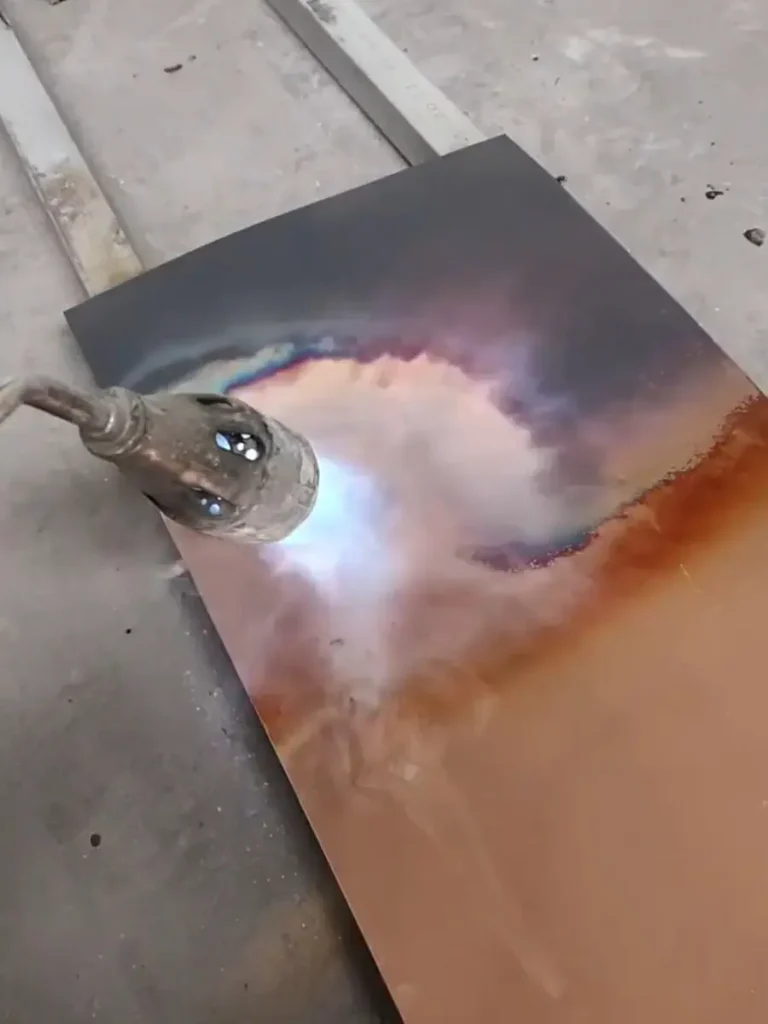
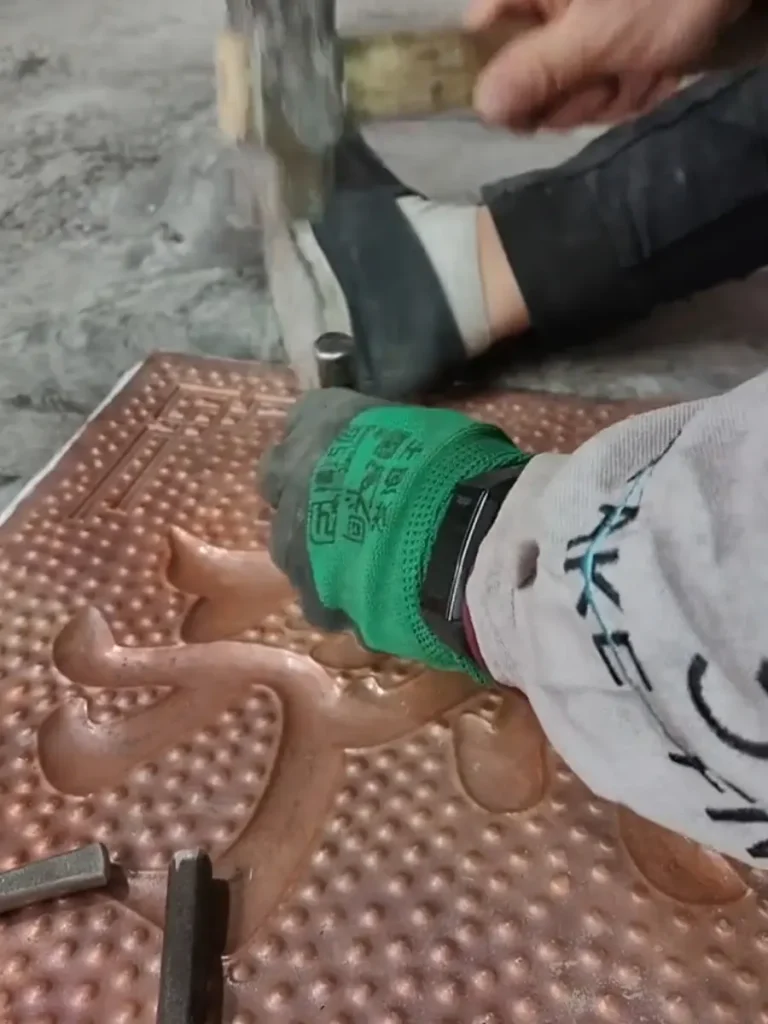
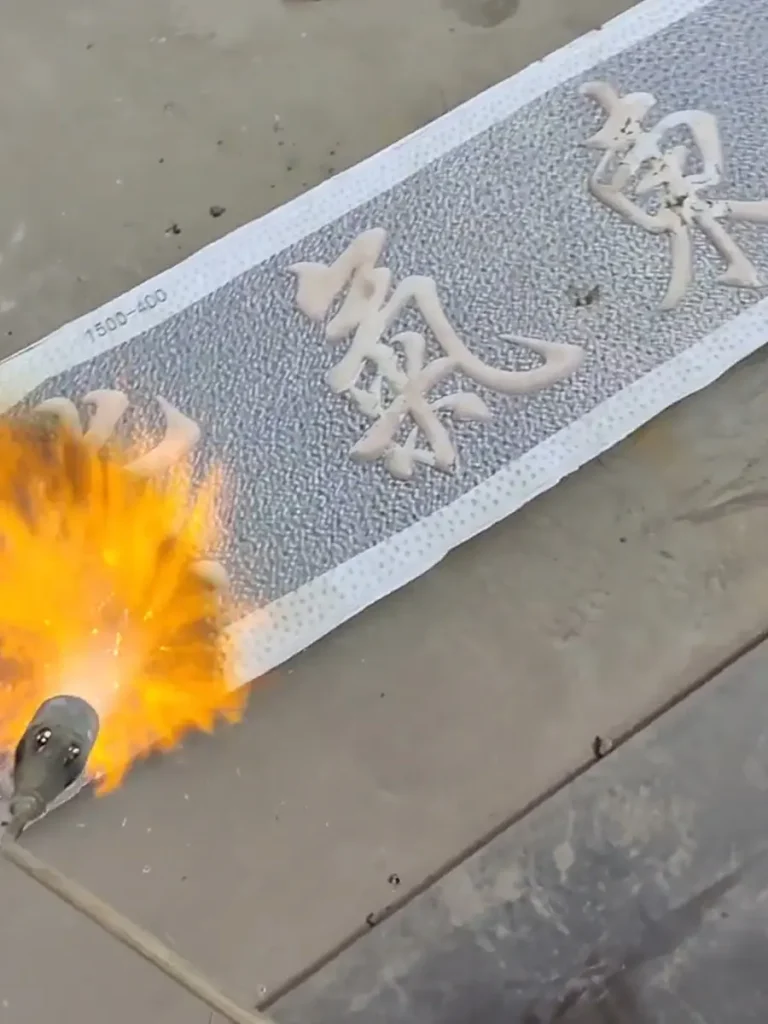
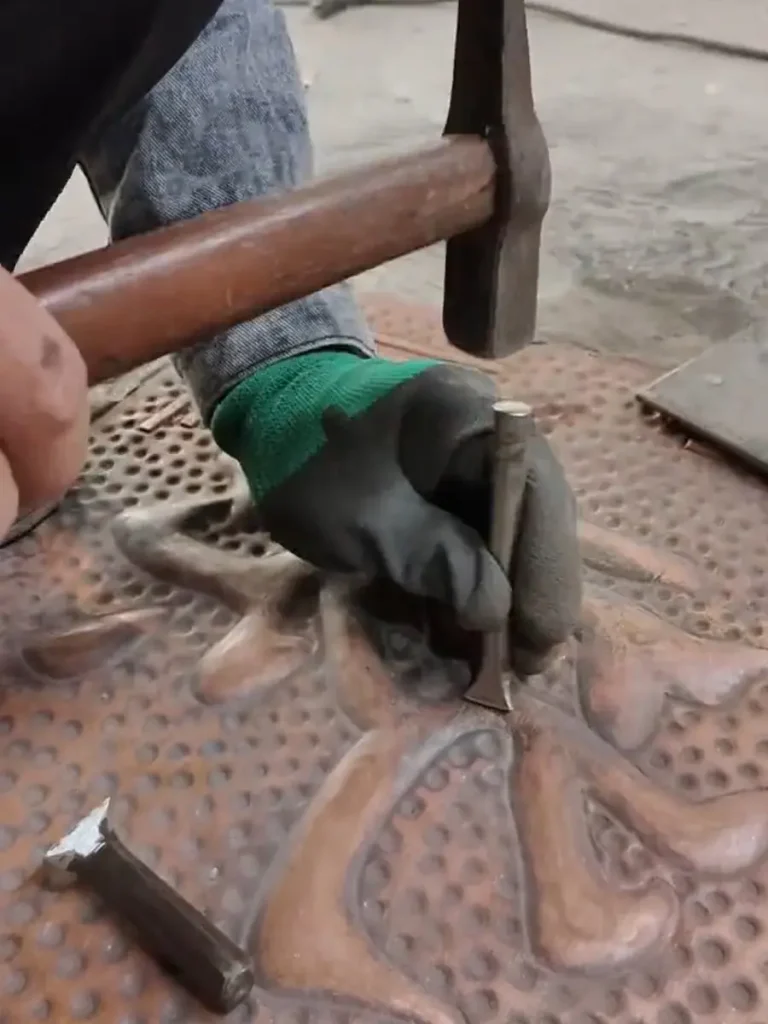
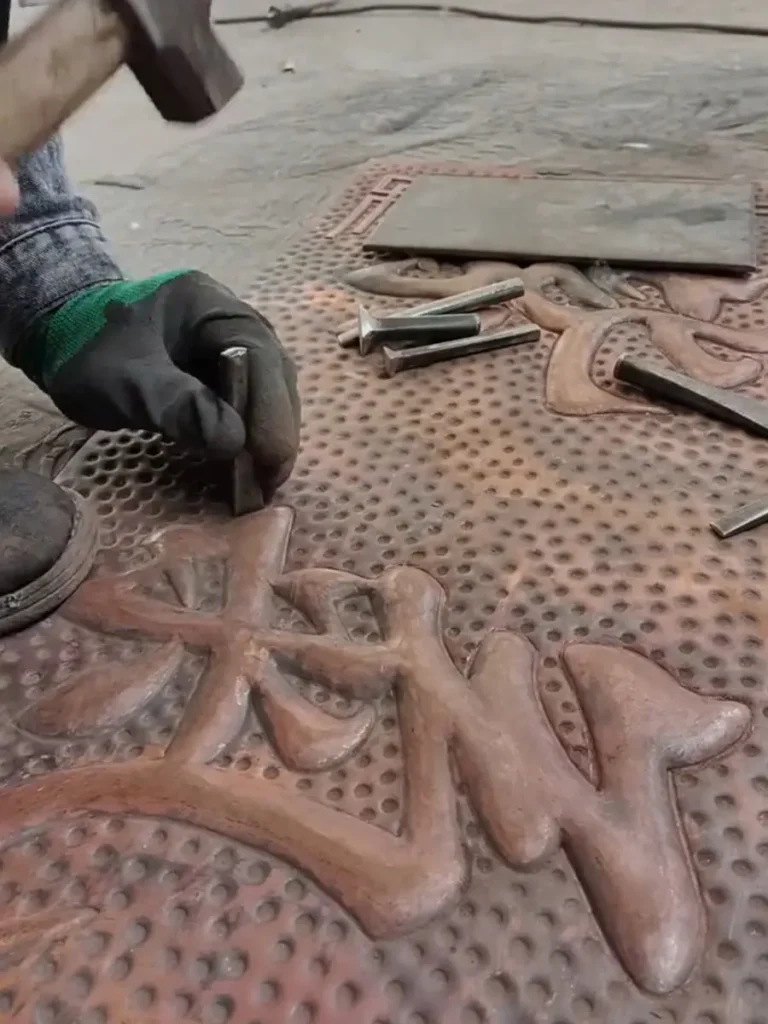
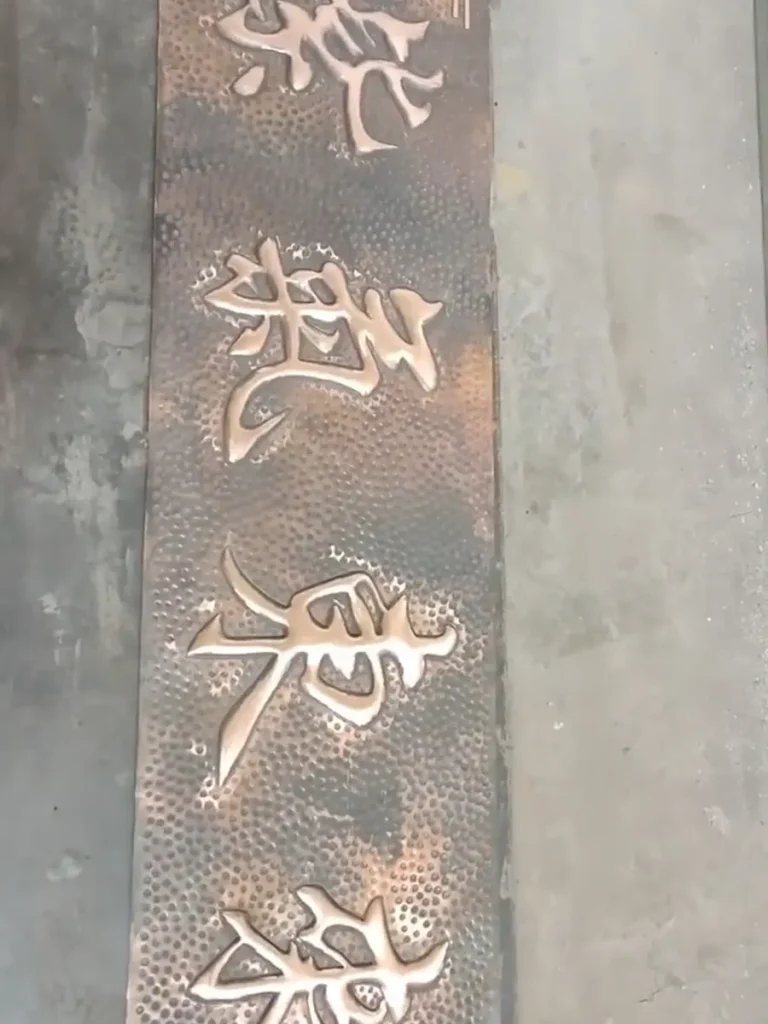
The process begins with conceptual design, translating abstract or geometric ideas into a three-dimensional form. Copper sheets are then annealed, hammered, embossed, and sometimes cut to reveal complex geometric metal sculpture designs. The metal responds to every strike, creating subtle variations that are impossible to replicate in molds. Handcrafted metal wall art of this kind emphasizes individuality, structural integrity, and the human touch, distinguishing it from flat or industrially produced wall panels.
Relief work allows for dramatic interplay of light and shadow. By raising, recessing, and layering sections of the copper, we create visual depth without excessive weight. Large outdoor installations benefit from this approach, delivering monumental impact while remaining practical for mounting on exterior walls. Each handcrafted metal relief sculpture tells a story of labor, skill, and material intelligence, reflecting both the artisan’s hand and the building’s architectural intent.
The direct metal approach also permits post-fabrication treatments, including patina application, polishing, and protective coatings. These interventions enhance aesthetic longevity and weatherproofing, ensuring that the copper continues to breathe and evolve long after installation. In essence, handcrafted metal wall art is not merely decorative—it is an enduring collaboration between material, craft, and architectural vision.
Custom Metal Sculpture Fabrication for Luxury Estates
For luxury estates, every architectural element must reflect individuality and refinement. Custom metal sculpture fabrication allows homeowners and designers to extend this philosophy into exterior art. Rather than selecting off-the-shelf pieces, bespoke sculptures respond to building scale, façade geometry, and environmental context. They become signature statements that harmonize with modern architecture, complement landscaping, and elevate the prestige of a property.
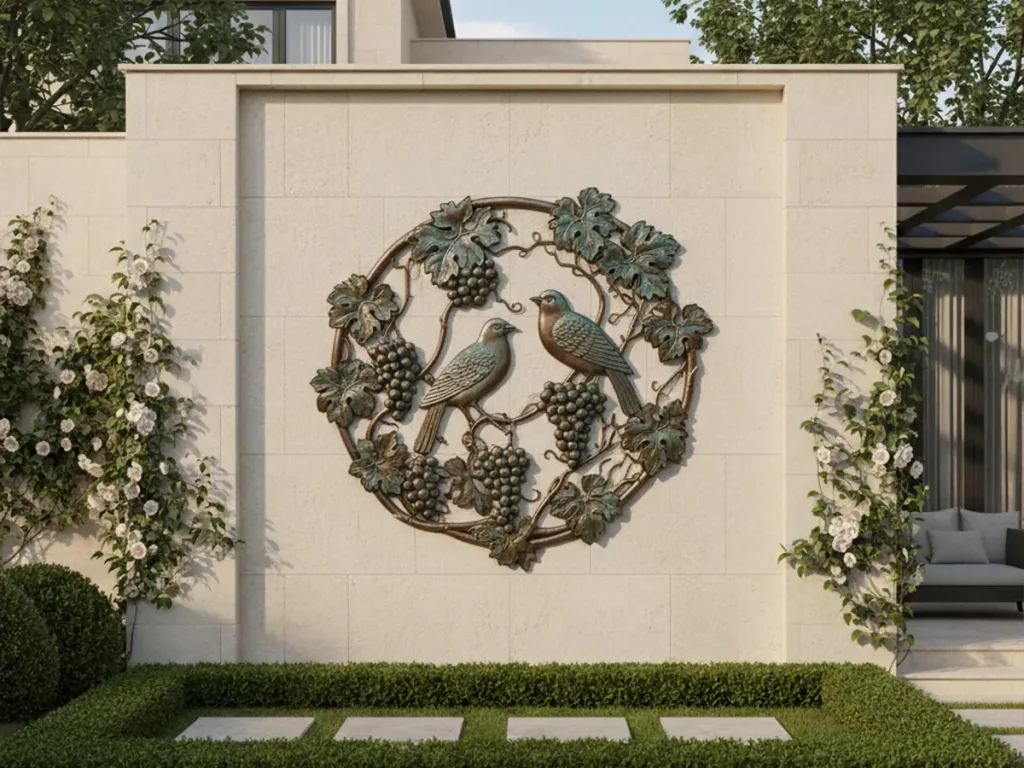
Bespoke metal wall art also offers unparalleled flexibility in design. From abstract geometric forms to three-dimensional reliefs, each piece can be tailored in size, finish, and texture. The result is a sculpture that does more than decorate—it interacts with light, shadow, and perspective to articulate a narrative unique to the estate. At Yun Sculpture, we integrate the architectural vision into every stage, ensuring that each custom metal sculpture is both structurally sound and visually compelling.
Commissioning Large Outdoor Metal Sculptures for Sale
When clients seek large outdoor metal sculptures for sale, commissioning a bespoke work guarantees perfect alignment with architectural intent. Scale is critical; an oversized sculpture on a small façade overwhelms the space, while an undersized installation loses presence. Through custom metal sculpture fabrication, we calculate dimensions, sightlines, and environmental factors to achieve monumental impact without compromising structural or aesthetic balance.
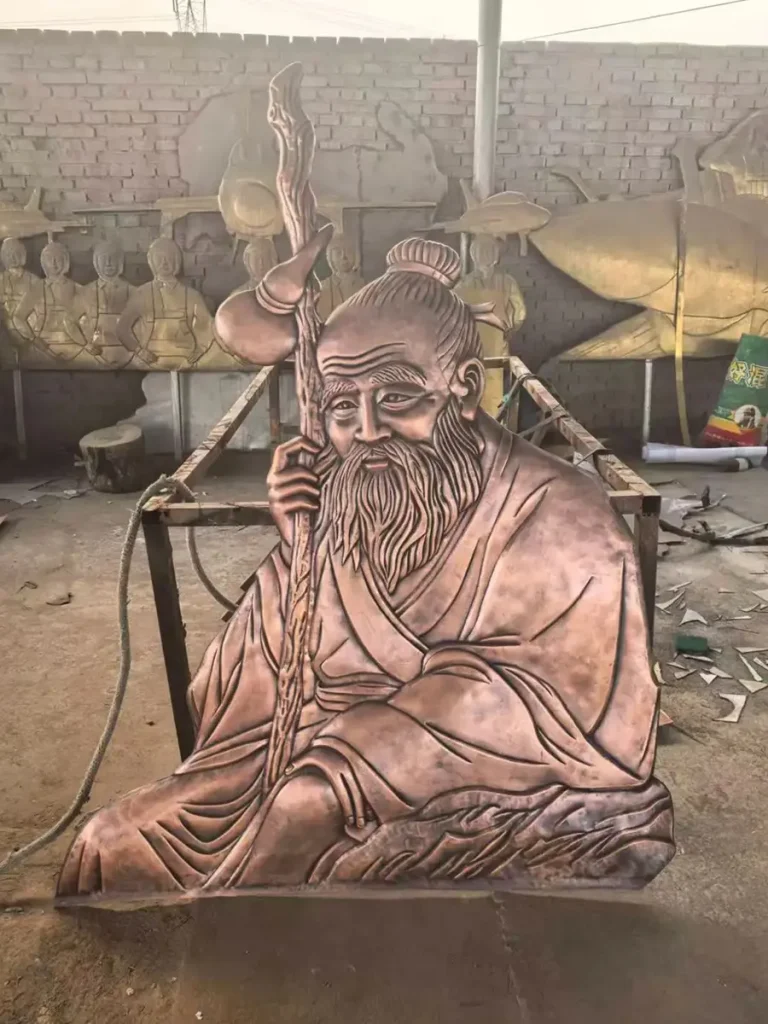
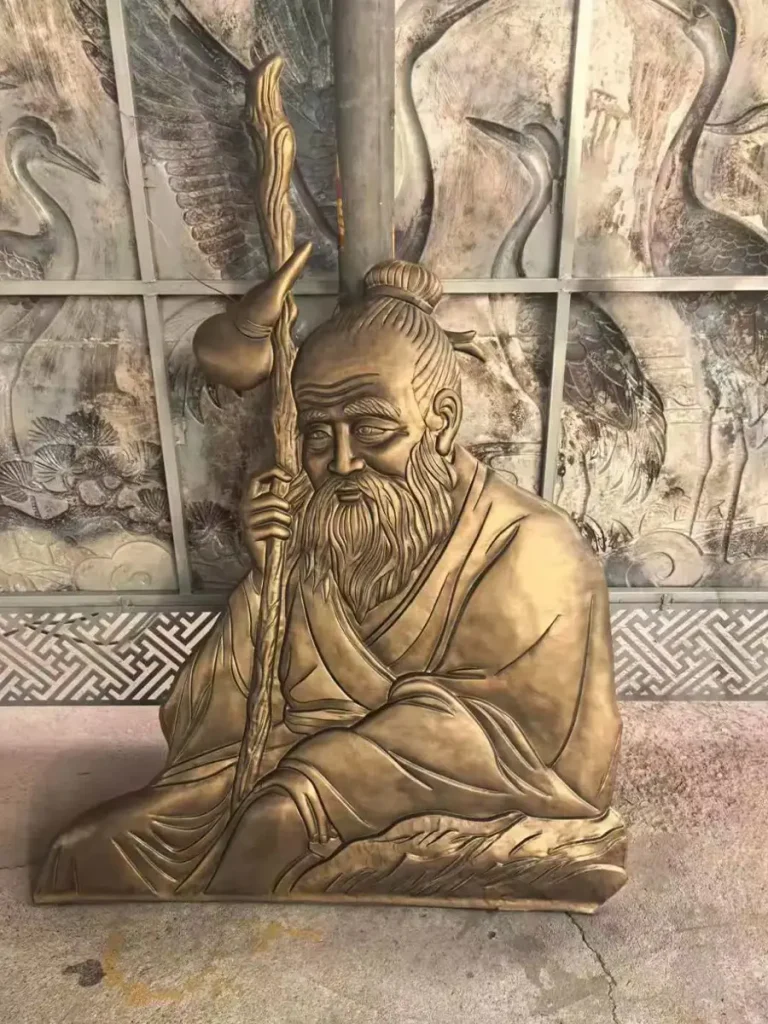
Materials selection is equally vital. Copper, bronze, and iron each offer distinct visual qualities and patina possibilities. Beyond the metal itself, finishes, relief depth, and geometric precision are calibrated to suit the estate’s exterior walls. The commissioning process ensures that every detail—from curvature and layering to color evolution—is intentional, creating an artwork that is as enduring as it is visually striking. Large outdoor metal sculptures thus become integrated architectural assets rather than decorative afterthoughts.
Commissioning also allows for personalization in motif and abstraction. Clients may choose custom patterns, geometric designs, or symbolic elements that resonate with their vision. This level of refinement is impossible with pre-fabricated sculptures, making bespoke work a mark of prestige and architectural literacy.
Engineering and Installation: How to Hang Heavy Metal Art
Installing large metal sculptures requires more than lifting—they demand precise engineering to ensure safety, stability, and longevity. Boss Zhang emphasizes that the success of a sculpture depends on both its fabrication and its secure integration with the wall system.
For wood or composite siding, the best approach answers the question: how to attach metal sculpture to siding of house. Stainless steel expansion bolts anchored directly into the studs provide the primary support. Waterproof gaskets between the metal and siding prevent moisture infiltration, protecting both the façade and the sculpture. This method combines mechanical security with weatherproofing, ensuring the sculpture remains firmly in place regardless of environmental conditions.
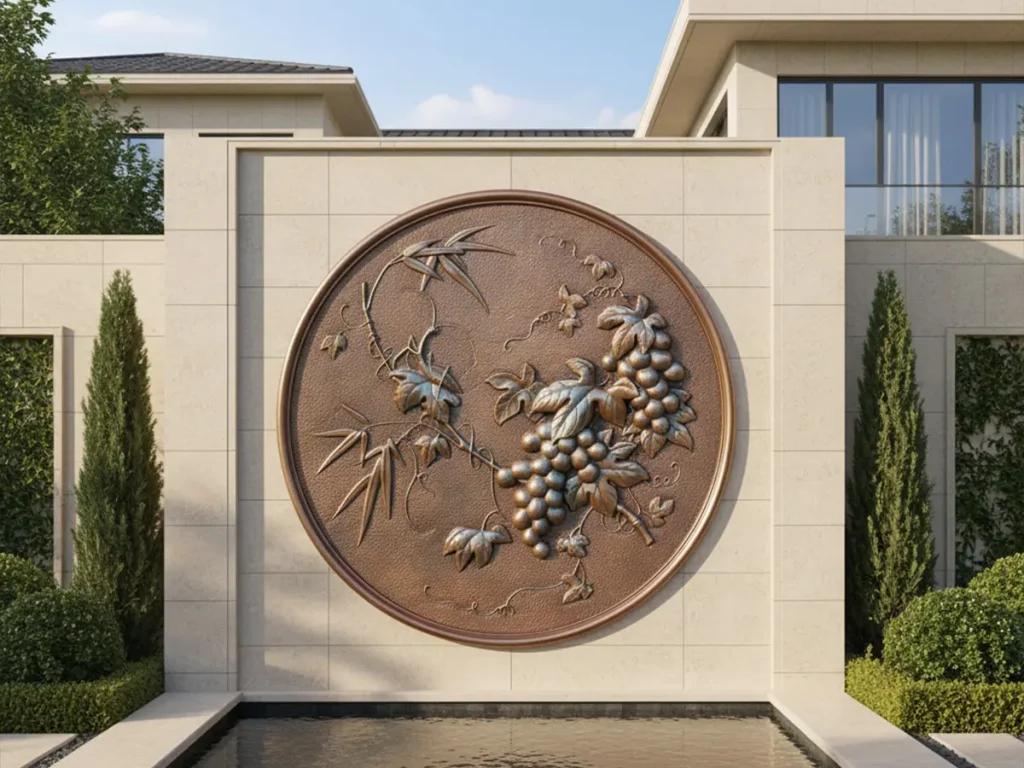
When attaching to metal-frame walls, the approach differs. To address how to install metal sculpture to a metal frame walls, we use self-drilling screws or rivet nuts directly into the metal studs. This method distributes weight evenly and eliminates the need for cumbersome secondary framing. Proper torque and alignment guarantee that the sculpture maintains its intended plane and does not warp over time. The combination of careful measurement, precision fastening, and structural understanding is essential for long-term stability.
For iron or forged pieces, such as square metal sculptures, hanging methods must accommodate weight, rigidity, and aesthetics. How to hang iron forged square metal sculpture often involves a custom hidden back-frame system. This framework supports the sculpture from behind, concealing anchors and fasteners while allowing the piece to sit flush against the wall. Hidden systems preserve the visual purity of geometric designs, ensuring that engineering does not compromise artistry.
In every case, installation is a collaboration between design and engineering. Each fastener, bracket, or frame is specified according to sculpture weight, material, and environmental exposure. Large outdoor metal sculptures demand exacting attention to detail: improper installation can lead to deformation, water damage, or safety hazards. By integrating fabrication with precise mounting solutions, Yun Sculpture ensures that every commissioned work remains a secure, weatherproof, and enduring architectural statement.
FAQ: Installing, Weatherproofing, and Maintaining Your Metal Wall Art
How to attach metal sculpture to siding of house or metal frame walls?
The key is transferring the load to the building’s main structure, not merely relying on the surface siding. At Yun Sculpture, we provide custom back-frame systems that distribute weight evenly across studs or metal frames. Stainless steel expansion bolts, paired with waterproof gaskets, secure the sculpture while preventing moisture intrusion. This ensures both structural integrity and long-term weather resistance.
For metal-frame walls, self-drilling screws or rivet nuts are integrated directly into the studs. The back-frame aligns the sculpture perfectly, keeping it flush and minimizing stress points. Whether attaching to wood, composite siding, or steel studs, precise engineering guarantees stability without compromising aesthetics.
Will a copper sculpture turn green over time (Patina)?
Yes. Copper naturally oxidizes when exposed to air and moisture. Initially, it develops a warm brown tone, which gradually matures into verdigris—the characteristic green patina admired in classical and contemporary designs. This is a natural protective layer, enhancing the sculpture’s durability.
If you prefer to retain the original copper hue, professional clear coatings can be applied. These seal the surface, delaying oxidation while still allowing the metal to breathe subtly. Either choice transforms the wall into a dynamic surface, whether evolving naturally or preserved.
How to weatherproof metal sculpture for outdoor use?
Proper weatherproofing ensures longevity and preserves aesthetic integrity. We use specialized weather-resistant coatings tailored to each metal type, forming a protective barrier against rain, UV exposure, and environmental pollutants. This is especially critical for large outdoor metal sculptures, which face years of sun, wind, and moisture.
Routine maintenance enhances performance. A yearly application of microcrystalline wax preserves finishes and strengthens protection against acid rain or harsh sunlight. This approach balances durability with beauty, allowing your sculpture to age gracefully while remaining structurally sound.
What is the difference between a custom relief sculpture and cast metal?
Casting relies on molds to reproduce identical copies, often sacrificing detail for efficiency. Our copper reliefs are direct metal sculptures—hand-forged, hammered, and shaped individually. Each hammer strike contributes to depth, texture, and expression, resulting in a truly unique piece.
This handcrafted method ensures that even subtle geometric patterns or abstract forms retain crisp definition. Mass-produced cast pieces cannot match the individuality, tactile richness, or evolving surface quality of a direct metal sculpture.
How to clean dirt or remove rust from outdoor metal wall art?
For routine cleaning, mild soapy water and a soft cloth are sufficient. Avoid harsh acids, abrasives, or wire brushes, which can irreversibly damage the patina. Copper itself does not rust, but environmental iron deposits or surface staining can appear. These can be gently treated with a soft brush and dedicated metal cleaner, preserving both aesthetics and longevity.
Regular maintenance also prevents buildup of pollutants, ensuring that relief details and geometric textures remain crisp and visually striking.
How heavy is a large 3D metal wall sculpture?
Forged copper reliefs are deceptively light. By using repoussé techniques—hammering the metal into shape rather than casting solid forms—we achieve multi-meter-wide sculptures that remain within safe load-bearing limits of modern exterior walls. The hollow construction allows for dramatic scale without compromising structural integrity.
Even large geometric metal sculpture panels, when installed with proper back-frame systems, feel visually monumental while remaining safely manageable for installation crews.
Can I customize the color of my copper wall sculpture?
Absolutely. Through chemical patination or faux patina techniques, we can achieve a wide palette of finishes. Options range from deep antique bronze to soft verdigris, muted browns, or even bright polished gold. These finishes allow the sculpture to harmonize with both traditional and contemporary architecture, enhancing the exterior wall’s visual narrative.
Each color variation is layered and controlled, producing depth and nuance that evolves over time while maintaining a hand-forged aesthetic.
How much does custom metal sculpture fabrication cost?
Cost depends on multiple factors: overall dimensions, metal thickness, intricacy of the hand-forged design, and any specialized patina or finishing requirements. Because each piece is individually handcrafted, labor constitutes a significant portion of the investment.
Detailed estimates are provided after finalizing the design concept, ensuring transparency and alignment with client expectations. Investing in bespoke fabrication guarantees that the sculpture will harmonize with the architectural scale, craftsmanship, and environmental durability of the property.
Custom copper reliefs are more than decorative panels. They are breathing architectural elements, evolving with the environment while reflecting the artistry and intent of their creators. Each hand-forged hammer strike, every geometric contour, and every patina layer transforms exterior walls into living canvases. These sculptures embody prestige, longevity, and a dialogue between material, craft, and space, leaving a lasting legacy for generations to admire.
– Boss Zhang & Elena Zhang, Yun Sculpture